Zirconia Crown in Taksim explains zirconia dental crowns, tooth preparation, treatment stages, benefits, risks, costs, aftercare and alternatives.
 Zirconia Crown in Taksim
+
Zirconia Crown in Taksim
ZIRCONIA RESTORATION • DENTAL CROWNS • ISTANBULA zirconia crown is a tooth-shaped dental restoration made from zirconia ceramic. It can be considered when a tooth requires substantial coverage to restore its form, protect remaining tooth structure or replace an existing crown.
The appropriate crown material depends on more than appearance. Tooth position, remaining structure, bite forces, available restorative space, gum condition and the aesthetic requirements of the case should all be evaluated.
What Is a Zirconia Crown?
Zirconia is a ceramic material used in restorative dentistry to manufacture crowns and other dental restorations. A zirconia crown covers the prepared portion of a tooth and is designed to restore its external form and function.
Zirconia is valued clinically because different zirconia formulations can provide useful combinations of mechanical strength and dental aesthetics. However, not every zirconia restoration has identical properties, and material selection should be based on the requirements of the individual tooth.
Although zirconia can be shade-matched and shaped to integrate with surrounding teeth, the final appearance also depends on material selection, tooth preparation, laboratory design and the clinical situation underneath the restoration.
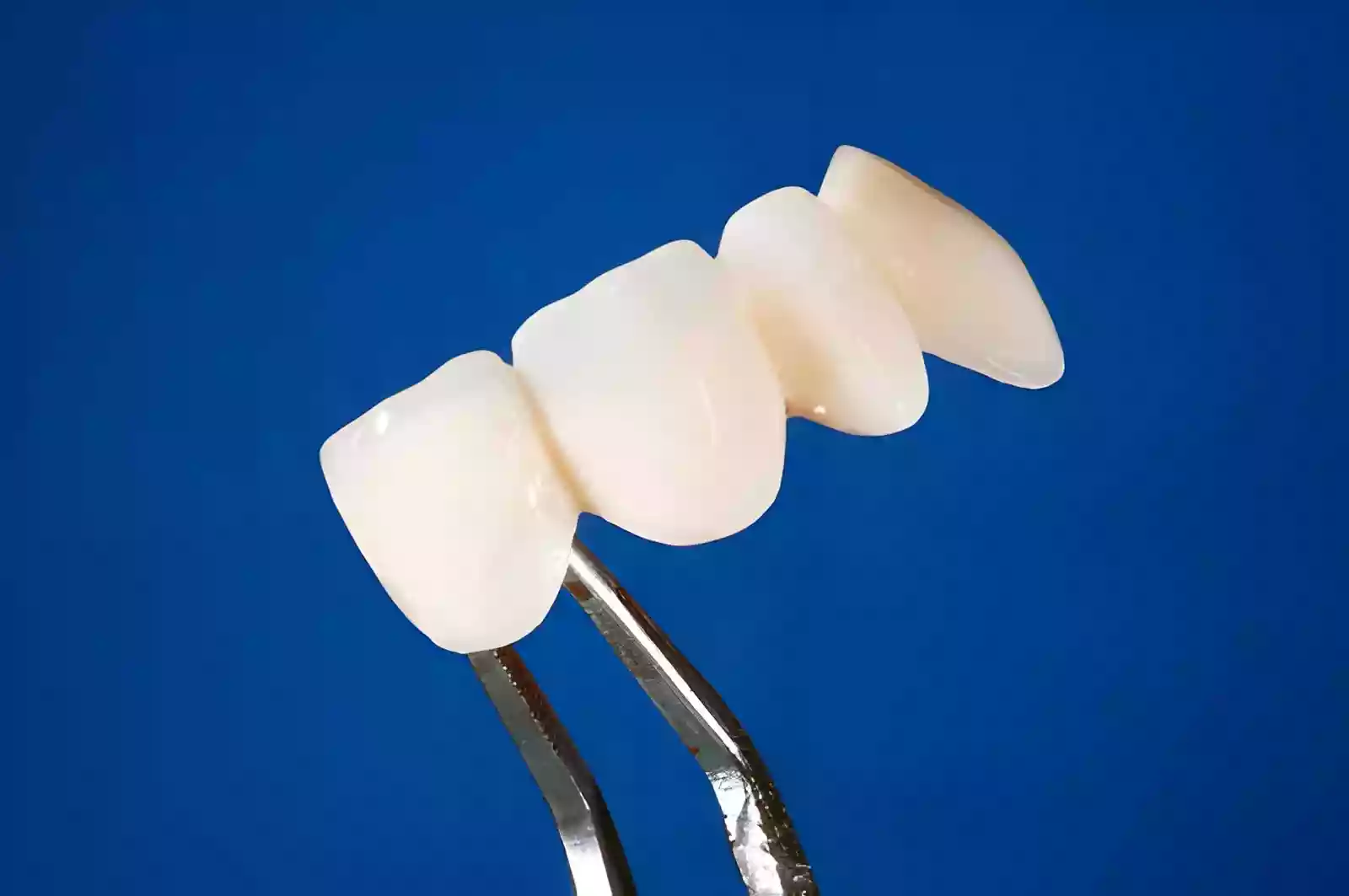 Zirconia Ceramic Dental Crown
+
Zirconia Crown in Taksim: Treatment Process
The number and timing of appointments can vary according to the tooth, existing dental work, laboratory workflow and whether additional treatment is required. A typical crown process may include the following stages.
Clinical Examination
The dentist evaluates the tooth, gums, bite and existing restorations. Dental imaging may be required depending on the clinical situation.
Treatment Planning
The condition of the tooth is reviewed and the dentist determines whether a crown is appropriate and which restorative material is suitable.
Tooth Preparation
The tooth is prepared to provide the shape and restorative space required for the planned crown. The amount of preparation varies between cases.
Digital Scan or Impression
A digital scan or conventional impression records the prepared tooth and surrounding structures for fabrication of the restoration.
Laboratory Design
The crown is designed according to the preparation, bite, neighbouring teeth and selected shade. Laboratory and digital workflows vary between providers.
Try-In and Adjustment
Fit, contacts, bite and appearance are assessed. Adjustments may be required before the restoration is finally placed.
Final Placement
Once clinically acceptable, the crown is cemented or bonded according to the restorative protocol selected for the case.
Follow-Up
The patient should report persistent sensitivity, bite discomfort, movement or other concerns. Routine dental reviews remain important after crown treatment.
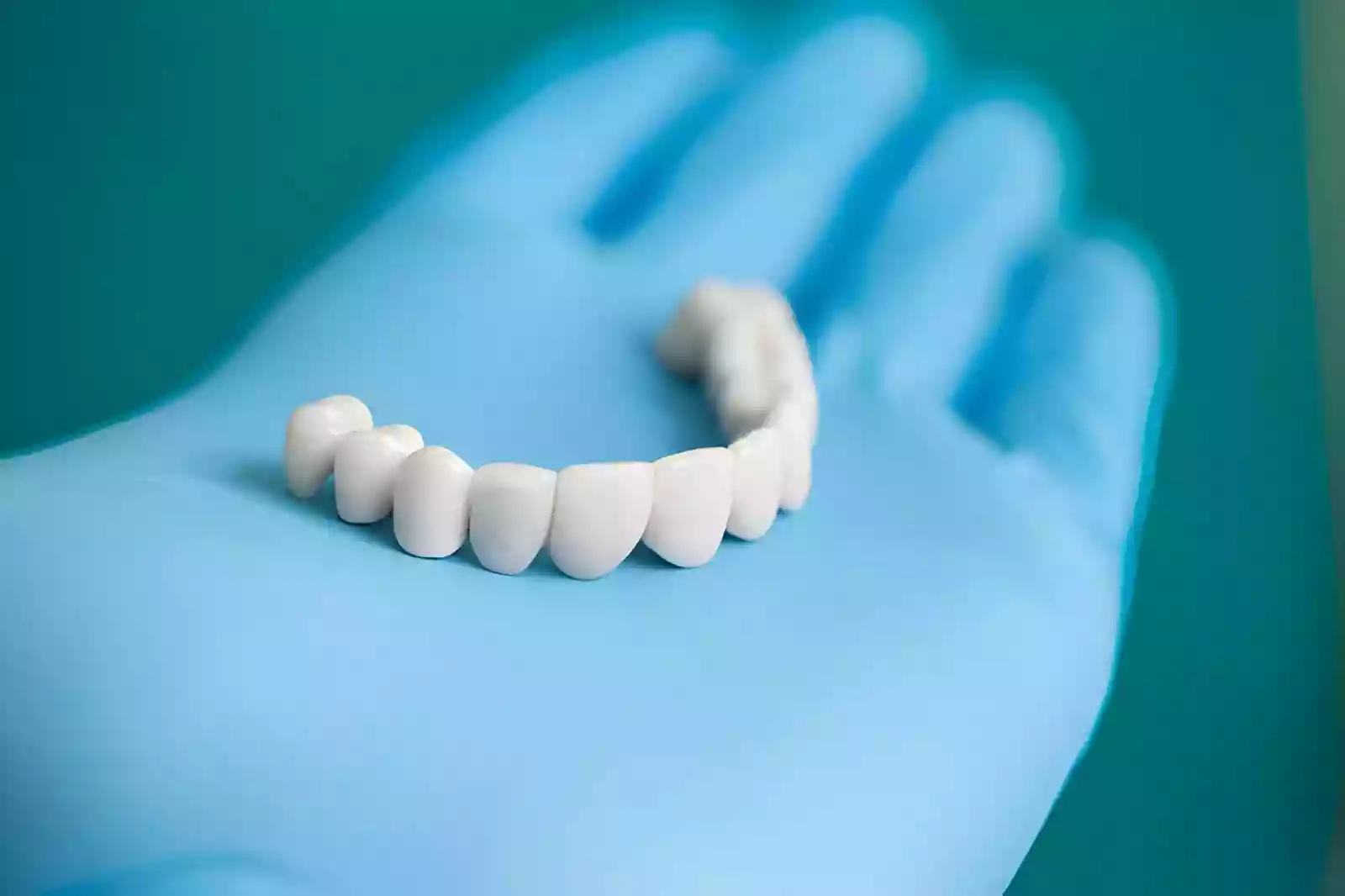 Benefits and Uses of Zirconia Crowns
+
Potential Benefits of Zirconia Crowns
Zirconia has become an established material in contemporary restorative dentistry. Its suitability, however, depends on the tooth and the specific restorative objective.
Mechanical Properties
Zirconia materials can provide useful strength for full-coverage restorations, including teeth exposed to significant chewing forces.
Metal-Free Ceramic
Zirconia is a ceramic material and can be used when a metal-free crown is selected as part of the restorative plan.
Dental Aesthetics
Modern zirconia systems are available with different optical properties, allowing the restoration to be designed for different aesthetic requirements.
Individual Fabrication
Digital and laboratory workflows allow crown contour, contacts, shade and occlusal form to be designed for the individual tooth.
Zirconia Crowns for Front and Back Teeth
The requirements of a front-tooth crown can differ from those of a posterior crown. Front teeth often place greater emphasis on optical properties, shade integration, shape and symmetry with adjacent teeth.
Back teeth are subjected to substantial chewing forces, so material thickness, crown design, bite and available restorative space become particularly important.
For this reason, the phrase “zirconia crown” does not describe one identical restoration for every tooth. Different zirconia formulations, designs and fabrication strategies can be selected according to clinical requirements.
How a Zirconia Crown Is Customized
A crown should reproduce more than the basic shape of a tooth. The restoration needs to interact with neighbouring teeth, opposing teeth, gums and the patient’s bite.
The dentist and laboratory consider the surrounding teeth and the aesthetic requirements of the restoration when selecting material and shade.
Contact areas should be evaluated so that the crown integrates appropriately with adjacent teeth and permits suitable oral hygiene.
The crown is designed and adjusted in relation to the opposing teeth and the way the patient bites and chews.
The relationship between the crown margin, prepared tooth and surrounding gum tissues is an important part of restorative planning.
Digital Dentistry and Zirconia Crowns
Digital technology may be used at several stages of crown treatment. Depending on the clinic and laboratory workflow, an intraoral scanner can record the prepared tooth and surrounding teeth without a traditional impression.
Computer-aided design can then be used to develop the restoration before it is manufactured through an appropriate laboratory process.
Patients should therefore evaluate the complete restorative process rather than selecting a treatment only because a clinic advertises a particular scanner or manufacturing system.
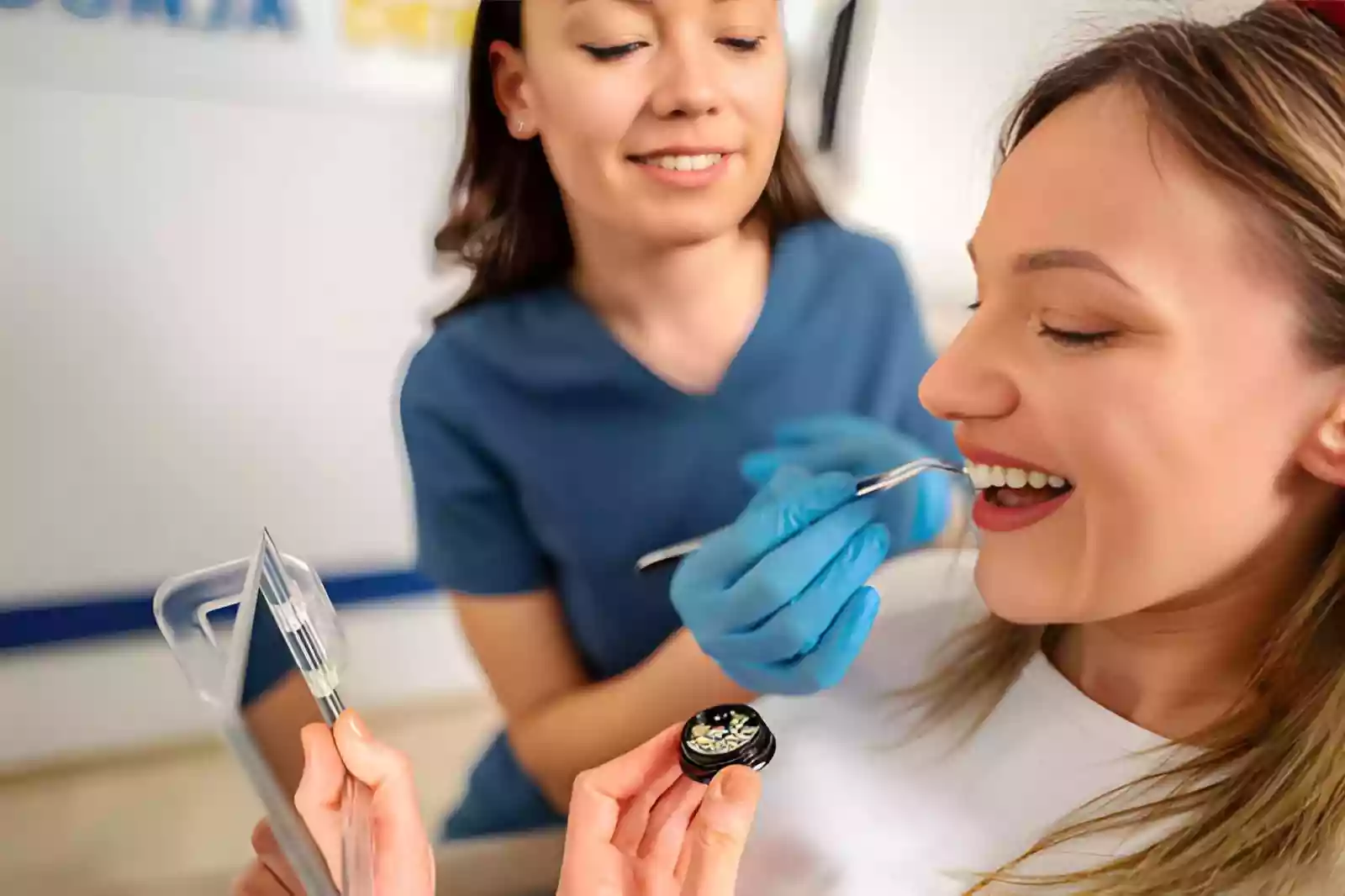 Digital Planning for Zirconia Crowns
+
Risks and Considerations of Zirconia Crowns
Dental crowns can restore compromised teeth, but crown treatment also has limitations. The risks depend on the condition of the tooth, preparation, bite, restoration and individual biological factors.
No single crown material is automatically appropriate for every tooth. The dentist may consider several restorative options depending on strength requirements, available space, aesthetics, tooth position and the condition of the underlying tooth.
Zirconia Crowns
Ceramic zirconia restorations can provide useful mechanical properties with different levels of translucency and aesthetic customization depending on the zirconia system used.
Other All-Ceramic Crowns
Other ceramic systems may be considered when their optical or mechanical properties are appropriate for the clinical situation.
Porcelain-Fused-to-Metal Crowns
These restorations combine a metal substructure with a porcelain outer layer. They have different aesthetic and structural characteristics from all-ceramic crowns.
Metal Crowns
Metal-based restorations may still have selected clinical applications, although their appearance differs significantly from tooth-coloured ceramic restorations.
If your main goal is cosmetic treatment of otherwise suitable front teeth rather than full-coverage restoration, our guide to Laminate Veneers in Taksim explains how veneers differ from crowns.
Aftercare for a Zirconia Crown
A zirconia crown still depends on the health of the tooth and tissues around it. Good maintenance therefore focuses on both the restoration and the natural structures supporting it.
Brush regularly according to professional advice, paying attention to the area where the crown meets the natural tooth and gum.
Interdental cleaning remains important around crowned teeth. The appropriate method can be discussed with the dental team.
Avoid using crowned teeth to open packaging or bite objects that can place excessive mechanical force on the restoration.
Patients who grind or clench their teeth should discuss this with their dentist because repeated high forces can affect restorations.
Routine examinations allow the crown, tooth, gum margin, bite and surrounding dental structures to be monitored.
Cost of Zirconia Crown in Taksim
The cost of a Zirconia Crown in Taksim can vary according to the tooth being treated, the type of zirconia restoration, laboratory workflow, complexity of the case and whether other dental procedures are required first.
For example, a tooth that needs treatment for decay, replacement of an existing restoration, root canal therapy or additional structural reconstruction may have a different overall treatment plan from a tooth that is already ready for crown preparation.
A useful quotation should therefore explain what is included rather than presenting only the price of the crown itself.
Questions to Ask Before Choosing a Zirconia Crown
Understanding why a crown is recommended is as important as selecting the material used to manufacture it.
Why does this tooth require a full crown rather than a filling, onlay, veneer or another more conservative restoration?
What is the condition of the remaining natural tooth and does it require other treatment first?
Which type of zirconia or ceramic restoration is proposed and why is it appropriate for this tooth?
How much natural tooth structure is expected to be removed during preparation?
Will a digital scan or conventional impression be used for the restoration?
How will the shade and shape be matched when the crown is in a visible area?
What should I do if the crown feels high, uncomfortable or sensitive after placement?
What maintenance, follow-up and possible future replacement should I consider?
 Dental Treatment in Taksim, Istanbul
+
Planning Zirconia Crown Treatment in Taksim
Taksim’s central position in Istanbul can be practical for international patients staying in Beyoğlu and surrounding districts, but dental travel should be planned around the clinical treatment schedule.
A crown case may require examination, preparation, laboratory fabrication, try-in, final placement and adjustment. The exact schedule depends on the tooth and the dental workflow.
Patients travelling from abroad should understand the expected number of appointments before booking flights and should allow appropriate time for the final restoration and any clinically necessary adjustment.
View Taksim Square on Google Maps →A Crown Should Protect the Tooth, Not Just Change Its Appearance
Dental crowns are sometimes discussed mainly in terms of colour and smile aesthetics, but the condition of the natural tooth remains central to treatment planning.
The dentist needs to consider how much healthy structure remains, whether disease is present, how the tooth functions within the bite and whether a full crown is actually necessary.
When zirconia is selected, the specific material and restoration design should then reflect the mechanical and aesthetic requirements of that tooth.
Zirconia Crown in Taksim: Frequently Asked Questions
01What is a zirconia crown?
02Is a zirconia crown suitable for front teeth?
03Can zirconia crowns be used on back teeth?
04How long does a zirconia crown last?
05Does a tooth need to be shaved for a zirconia crown?
06What is the difference between a zirconia crown and a veneer?
07How much does a Zirconia Crown in Taksim cost?
08Can a zirconia crown break?
Zirconia Crown in Taksim: Restorative Planning Comes First
Zirconia Crown in Taksim can be an option when a tooth requires full-coverage restoration and zirconia is considered suitable for the clinical and aesthetic requirements of the case.
The decision should begin with the natural tooth rather than with the crown material. Tooth structure, decay, existing restorations, root condition, gum health, bite and restorative space can all influence the treatment plan.
For international patients, it is also important to understand the sequence of appointments, laboratory timing and follow-up requirements before arranging travel around dental treatment.
Zirconia can provide a useful combination of restorative and aesthetic properties, but a successful crown depends on diagnosis, tooth preparation, material selection, laboratory fabrication, clinical fit and ongoing oral care working together.