
Is It Risky to Get a Hair Transplant in Turkey? The Unvarnished Truth
Hair Transplant Turkey, Hair Transplant Risks, Turkey Hair Transplant, FUE Hair Transplant, Safe Hair Transplant, Istanbul Hair Transplant, Hair Considering a hair transplant in Turkey? Discover the real risks, from botched jobs to ethical concerns, and learn how to choose a safe clinic for the results you deserve.

For anyone battling hair loss, the allure of a hair transplant in Turkey is undeniable. Scrolling through social media, you’re bombarded with pictures of perfectly restored hairlines and life-changing transformations, all at a fraction of the cost you’d find in the US or UK. It’s easy to see why Turkey has become the global epicenter for hair restoration.
But beneath the glossy surface of “hair transplant tourism” lies a critical question every potential patient must ask: Is it risky?
The short answer is: it can be. The risk isn’t inherent to Turkey as a country, but to the wildly varying standards within its booming, and often unregulated, hair transplant industry. Getting a world-class procedure for a great price is possible, but so is a botched job that leaves you with physical and emotional scars.
Let’s pull back the curtain and examine the real risks of getting a hair transplant in Turkey, and more importantly, how you can avoid them.
The Allure: Why Everyone is Going to Turkey
First, it’s crucial to understand why Turkey is so popular.
- Cost-Effectiveness: This is the biggest draw. A procedure costing $15,000 in the US can often be found for $2,500 – $4,500 in Turkey, inclusive of hotel stays and transfers.
- High Volume and Expertise: Turkish clinics perform a huge number of procedures, leading to highly skilled surgeons specializing specifically in Follicular Unit Extraction (FUE) and DHI techniques.
- All-Inclusive Packages: Many clinics offer hassle-free packages that include airport transfers, hotel accommodation, translation services, and aftercare, making the process seem seamless.
The Real Risks: A Candid Breakdown
While the success stories are real, so are the horror stories. The risks generally fall into two categories: medical/surgical and ethical/logistical.
Medical and Surgical Risks
- Botched Results and Unnatural Hairlines: This is the most common fear—and for good reason. Inexperienced technicians or doctors can create a hairline that is too low, too straight, or has a “doll’s hair” pluggy look. This is often irreversible and incredibly difficult to fix.
- Over-harvesting the Donor Area: A skilled surgeon knows how to extract grafts evenly to preserve the natural look of the back and sides of your head. An unskilled one can over-harvest, leaving you with a patchy, moth-eaten donor area that is permanently thin. This is a devastating outcome.
- Low Graft Survival and Poor Growth: The survival of transplanted grafts depends on delicate handling, proper storage, and expert implantation. Rushed procedures or improper technique can lead to a very low growth rate (e.g., you pay for 4,000 grafts but only 40% grow), wasting your money and your limited donor grafts.
- Infection and Scarring: While rare in sterile environments, the risk of infection increases if a clinic cuts corners on hygiene. Poor extraction or closure techniques can also lead to visible scarring in the donor area.
- Necrosis (Tissue Death): In extreme cases of malpractice, where the blood supply to the scalp is severely compromised, tissue necrosis can occur. This is a serious medical complication.
Ethical and Logistical Risks
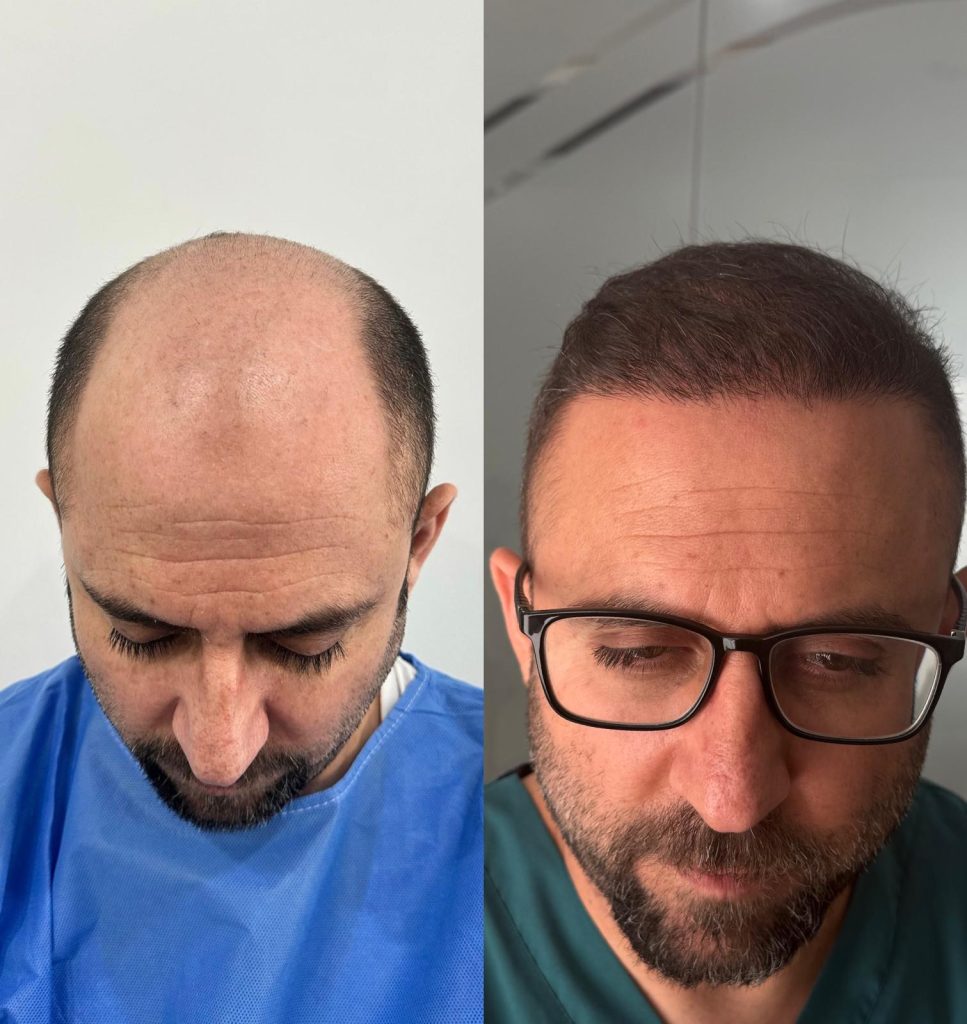
- The “Technician-Led” Model: Many budget clinics operate on a “factory” model. The renowned doctor you see in the consultation might only draw the hairline, while the entire surgery—the extraction and implantation of thousands of grafts—is performed by technicians with varying levels of training and oversight. This is a significant gamble.
- Misleading Marketing and “Ghost Doctors”: Some clinics use stock photos or pay influencers for their results. There have been cases of “ghost doctors,” where a well-known surgeon is advertised but is not actually present or performing the procedure.
- Poor Patient Selection and Unrealistic Promises: Ethical clinics will refuse patients who are not good candidates (e.g., too young, insufficient donor hair, or unrealistic expectations). Unscrupulous clinics will operate on anyone who can pay, leading to poor outcomes.
- Inadequate Aftercare and Follow-up: Once you fly home, your direct contact with the clinic ends. Managing complications, answering urgent questions, and getting proper follow-up care from thousands of miles away can be incredibly stressful and ineffective.
How to Mitigate the Risks: Your Safety Checklist
The key to a successful Turkish hair transplant is rigorous research and due diligence. Do not be seduced by the lowest price alone.
- Research the Doctor, Not Just the Clinic: Find out the head surgeon’s name. Research their credentials, membership in international societies (like ISHRS), and before-and-after portfolio. Ensure they are actively involved in the surgery.
- Look for Independent Reviews: Don’t just trust the testimonials on the clinic’s website. Search for independent reviews on platforms like Google, Trustpilot, and dedicated hair loss forums. Look for detailed patient journeys, both good and bad.
- Ask the Right Questions During Consultation:
- “Will the doctor be performing the entire procedure?”
- “What is the doctor-to-technician ratio?”
- “Can I see multiple, unedited before-and-after photos of past patients?”
- “What is your protocol for handling complications after I return home?”
- Avoid the Absolute Bottom Tier: If a price seems too good to be true, it almost certainly is. Extremely cheap packages often cut the most corners on safety, expertise, and materials.
- Check for Medical Accreditation: Look for clinics that are JCI (Joint Commission International) accredited or have other international certifications, which indicate adherence to high standards of patient care and safety.

The Verdict: Is It Worth the Risk?
Getting a hair transplant in Turkey is not inherently risky, but it is a buyer-beware market. The massive range in quality means the risk is entirely dependent on the specific clinic and doctor you choose.
For the well-informed patient who prioritizes the surgeon’s skill over the package’s frills, Turkey can offer exceptional value and world-class results. However, for those who simply search for “cheap hair transplant Turkey” and book the first option, the gamble can lead to lifelong regret and expensive repair jobs.
Your hair is a finite resource. Invest in the surgeon, not the destination.
Ready to Take the Next Step?
If you’re considering a hair transplant, arm yourself with knowledge. Download our free “Ultimate Checklist for Choosing a Hair Transplant Clinic” to ensure you ask all the right questions and make a safe, informed decision.