Face Aesthetics in Taksim Turkey covers facial surgery, injectables, skin treatments, consultation, recovery, risks and personalized treatment planning.
Face Aesthetics in Taksim Turkey
FACIAL AESTHETICS • ISTANBUL • TREATMENT PLANNINGFacial aesthetics can include surgical and non-surgical procedures intended to address facial proportions, contours, skin quality or signs of ageing. The appropriate approach depends on anatomy, concerns, expectations and medical suitability.
For international patients considering treatment in Istanbul, understanding the difference between procedures is more useful than simply choosing a treatment because it is popular.
 Face Aesthetics in Taksim Turkey
+
Face Aesthetics Procedures in Taksim
The term facial aesthetics covers a broad range of procedures. Some focus primarily on facial structure, while others address volume, expression lines or skin quality.
Rhinoplasty
Nasal surgery may be considered to change the size, shape or proportions of the nose. Functional breathing concerns may also need separate or combined assessment where relevant.
Facelift and Neck Lift
Surgical lifting procedures may address skin laxity and deeper facial or neck tissues. The extent of surgery and recovery varies according to anatomy and the planned technique.
Blepharoplasty
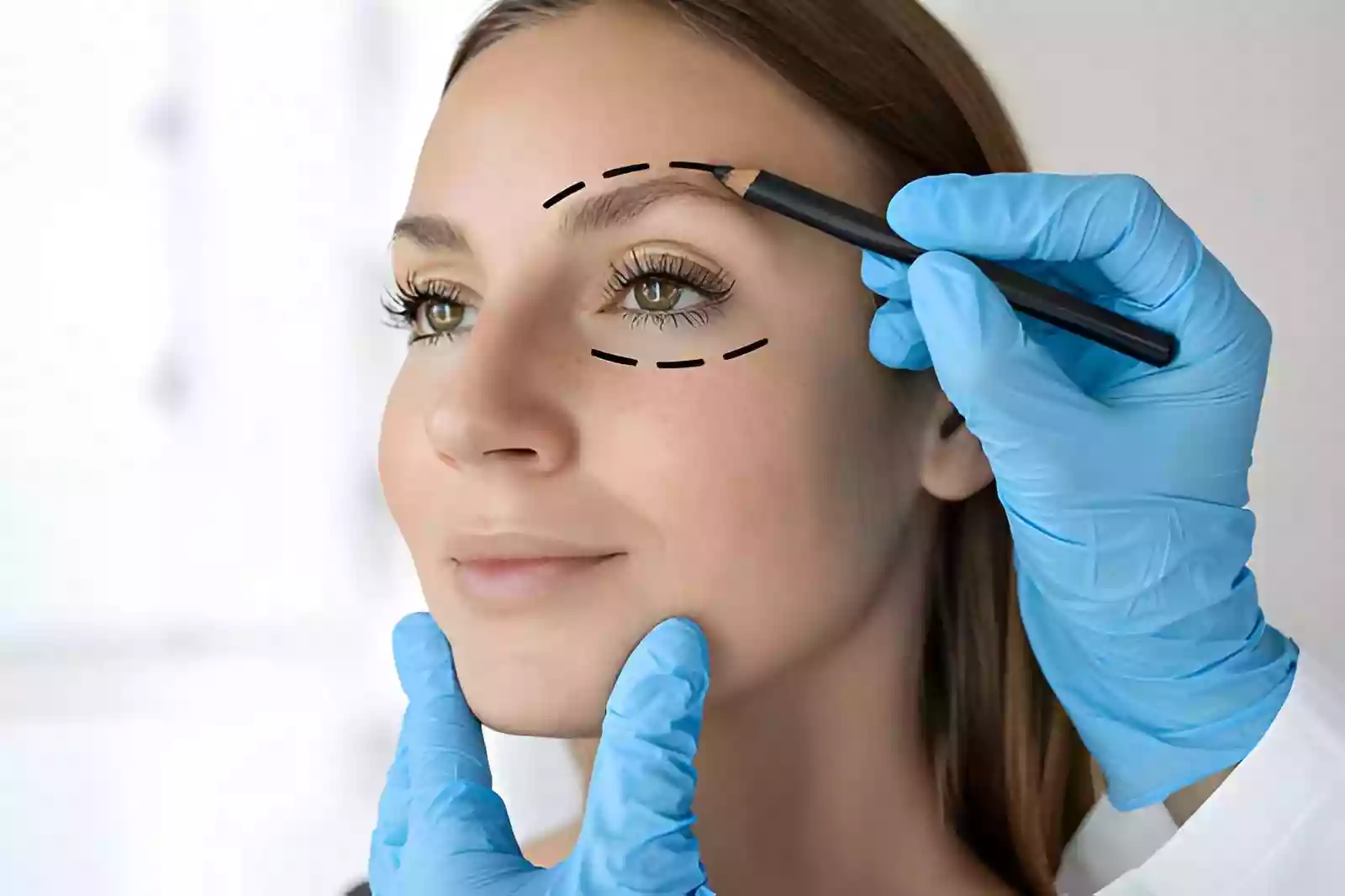
Eyelid surgery can address selected concerns involving excess eyelid skin or prominent eyelid bags. Upper and lower eyelids require different assessment and surgical planning.
Brow Lift
A brow lift may be considered when brow position contributes to heaviness around the upper face. It should be evaluated together with forehead anatomy and the eyelids.
Facial Fat Transfer
Fat harvested from another area of the body can be prepared and transferred to selected facial areas where additional volume is desired. Retention can vary between patients.
Botulinum Toxin
Botulinum toxin injections can temporarily reduce activity in selected facial muscles and are commonly considered for certain dynamic expression lines.
Dermal Fillers
Fillers may be used in selected areas to modify volume or contour. Product choice, injection plane and anatomy are important safety considerations.
Skin Treatments
Depending on the concern, skin-focused options can include chemical peels, laser-based procedures or other resurfacing treatments. Suitability varies with skin type and the condition being treated.
What Does Facial Aesthetics Actually Mean?
Facial aesthetics is not one procedure and there is no single facial proportion that is appropriate for everyone. The face is a combination of bone structure, soft tissue, skin, muscle activity and individual features.
A patient may be concerned about one specific feature, such as the nose or eyelids, while another may be interested in changes affecting several areas. This is why treatment planning should begin with the concern rather than with a predetermined procedure.
Age is also only one part of the assessment. Skin quality, facial volume, skeletal structure, previous treatments and individual anatomy can influence which options are reasonable.
 Facial Assessment and Treatment Planning
+
Surgical Facial Aesthetics
Surgical procedures generally involve structural changes and usually require more recovery than office-based aesthetic treatments.
Rhinoplasty, facelift, neck lift, blepharoplasty, brow lift and selected chin procedures are examples of facial operations that may be considered depending on the patient’s concerns.
The extent of surgery can vary considerably. A limited upper-eyelid procedure, for example, is very different from a combined facelift and neck lift in terms of planning, anaesthesia and recovery.
Non-Surgical Facial Aesthetics
Non-surgical treatments can include botulinum toxin, dermal fillers and selected skin treatments. These procedures do not replace surgery when significant structural change or tissue repositioning is required.
Likewise, “non-surgical” should not be interpreted as risk-free. Injectable and energy-based treatments still require appropriate assessment, knowledge of anatomy and discussion of possible complications.
The choice between surgical and non-surgical treatment therefore depends on what the patient wants to change, the anatomy involved and whether the expected degree of improvement can reasonably be achieved with the proposed method.
Face Aesthetics Consultation and Treatment Planning
A structured consultation helps separate what a patient would like to change from what a particular procedure can realistically achieve.
Identify the Main Concern
The discussion should begin with the feature or change that concerns the patient rather than assuming which treatment is required.
Review Medical History
Relevant medical conditions, previous operations, allergies, medications, smoking and previous aesthetic treatments should be disclosed.
Assess Facial Anatomy
Skin, soft tissue, facial proportions and the anatomy relevant to the requested treatment can then be evaluated.
Discuss Appropriate Options
There may be more than one possible approach. In some cases, the appropriate recommendation may also be to avoid or postpone a procedure.
Understand Limitations and Risks
The expected degree of change, likely recovery and relevant complications should be discussed before consent.
Confirm the Final Plan
For international patients, an online assessment can help with preliminary planning, but the final treatment decision may require an in-person examination.
Personalized Planning for Facial Balance
Facial treatment planning often considers relationships between features rather than examining one area in isolation. This does not mean every feature needs treatment.
The forehead, brow position and upper eyelids can influence how open or heavy the upper face appears. These areas should be assessed in relation to one another.
Cheek structure, soft-tissue volume and the lower eyelids contribute to the appearance of the central face and may require different treatment approaches.
The nose occupies a central position in the face. Rhinoplasty planning should consider facial proportions as well as the patient’s specific nasal concerns.
The chin, jawline, lips and surrounding soft tissues contribute to lower-face proportions. Structural and soft-tissue concerns should be distinguished before treatment.
Neck appearance can be influenced by skin, subcutaneous tissue and deeper anatomy. The appropriate treatment therefore depends on the underlying cause of the concern.
 Personalized Facial Aesthetics
+
Natural-Looking Results and Realistic Expectations
The phrase “natural-looking” is commonly used in aesthetic medicine, but it means different things to different patients. One person may want a subtle refinement, while another may be comfortable with a more noticeable change.
Photographs can be useful when discussing preferences, but another person’s result cannot simply be copied onto different facial anatomy.
Likewise, perfect symmetry is not a realistic objective. Human faces naturally contain differences between the two sides, and treatment cannot guarantee mathematically identical features.
A useful consultation therefore focuses on the degree of change that may reasonably be achieved, what the procedure cannot change and how the proposed result fits the patient’s existing facial characteristics.
Recovery After Face Aesthetics Procedures
Recovery varies substantially because facial aesthetics includes procedures ranging from injections to surgery. Patients should receive instructions specific to the treatment they actually undergo.
Swelling and Bruising
These can occur after many facial procedures, particularly surgery and some injectable treatments. The amount and duration vary between patients and procedures.
Incision Care
Surgical patients may receive instructions concerning wound care, dressings, stitches and when the treated area can be washed.
Medication
Any prescribed medication should be taken according to the treating clinician’s instructions. Patients should not independently stop regular medication without appropriate medical advice.
Activity
Exercise, bending, swimming and other activities may be restricted temporarily after certain procedures. The duration depends on the operation or treatment performed.
Sun Protection
Sun exposure may be relevant after surgery, peels, lasers and other treatments. Procedure-specific advice should be followed to protect healing skin or scars.
Follow-Up
International patients should understand the planned early reviews and how questions or unexpected symptoms will be handled after returning home.
Risks and Safety Considerations
Potential complications differ according to the treatment. Surgical procedures can involve issues such as bleeding, infection, scarring, asymmetry, anaesthesia-related risks, altered sensation or the possibility of revision.
Injectable procedures have their own risk profiles. These can include swelling, bruising, asymmetry and product-related complications. Rare but serious vascular complications are possible with dermal fillers.
Skin procedures may produce temporary redness, irritation or pigmentation changes, with risk depending partly on the treatment and skin characteristics.
Choosing a Facial Aesthetics Provider
Choosing a provider involves more than comparing before-and-after photographs. Patients should understand the qualifications and role of the professional who will assess them and perform the proposed treatment.
For surgery, ask where the procedure will take place, who will perform it, what type of anaesthesia is planned and how postoperative care is organized.
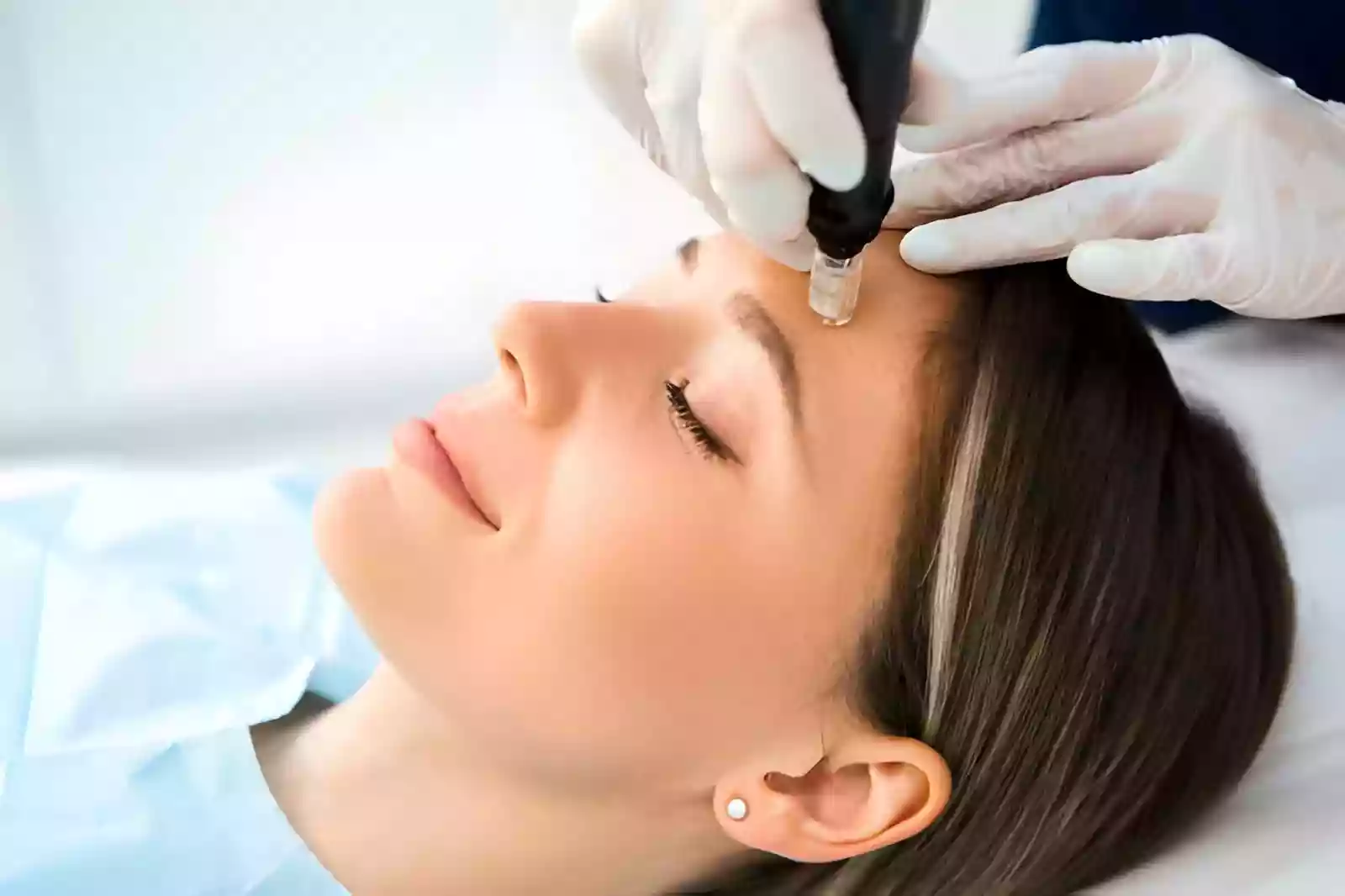
For injectable or skin treatments, ask what product or technology is being proposed, why it is suitable and who will administer the treatment.
Before-and-after photographs can help demonstrate a provider’s style, but they do not guarantee that another patient will achieve the same result.
For related surgical procedures, you can also read our guide to Rhinoplasty in Taksim, Turkey.
 Choosing a Facial Aesthetics Provider
+
Questions to Ask Before Facial Aesthetic Treatment
Face Aesthetics in Taksim, Istanbul
Taksim is a central district on Istanbul’s European side and is surrounded by hotels, restaurants, transport connections and other services used by international visitors.
For a patient travelling for facial treatment, central accommodation can be convenient, but the medical plan should determine the itinerary. The required length of stay varies according to whether the procedure is injectable, skin-focused or surgical.
Patients undergoing surgery should allow for the required postoperative reviews before arranging departure and should follow their treating team’s advice regarding travel and activity.
View Taksim Square on Google Maps → Taksim, Istanbul
+
Face Aesthetics in Taksim Turkey: Frequently Asked Questions
01What treatments are included in facial aesthetics?
02How do I know which facial treatment is suitable for me?
03Are non-surgical facial treatments risk-free?
04Is facial aesthetic surgery permanent?
05How long is recovery after facial aesthetic treatment?
06Can several facial procedures be combined?
07Can an online consultation confirm my final treatment plan?
08How should I choose a facial aesthetics provider in Taksim?
Planning Face Aesthetics in Taksim Turkey
Face Aesthetics in Taksim Turkey can involve anything from targeted injectable or skin treatments to facial surgery. Because these procedures differ significantly, treatment should begin with an assessment of the patient’s concern rather than with a package or procedure name.
Facial anatomy, medical history, previous treatment, desired degree of change and recovery requirements can all influence the final plan. Surgical and non-surgical approaches also have different limitations and risk profiles.
For international patients, planning should include not only the treatment itself but also the required time in Istanbul, postoperative reviews and arrangements for follow-up after returning home.
A well-informed decision is based on realistic expectations, clear understanding of alternatives and risks, and a treatment plan tailored to the individual rather than a standardized idea of facial beauty.