Donor Area Recovery After Hair Transplant is an important part of FUE healing. While attention often focuses on the implanted grafts, the back and sides of the scalp also need appropriate washing, protection and time to recover after follicular units are extracted.
This guide follows the original recovery timeline from the first days through the following months, with practical aftercare points and more cautious expectations where healing varies between patients.
+Donor Area Recovery After Hair Transplant – FUE Healing
Days 1–7Small extraction sites, redness, tenderness and scabbing can be most noticeable during the initial healing period.
Week 2–Month 1Scabs and redness generally continue to settle while the shaved donor hair starts growing back.
Months 2–6+Residual sensation changes and the cosmetic appearance can continue to normalize over time.
Understanding the Hair Transplant Donor Area
In FUE, individual follicular units are extracted from a donor zone, commonly at the back and sides of the scalp. This leaves many small extraction points rather than the linear incision associated with strip surgery.
The original article emphasizes that extraction technique and even distribution of harvesting can influence how the donor area looks and feels during recovery. The number of grafts removed, hair characteristics and individual healing can also affect the visible result.
Donor preservation matters: the aim is not simply to extract the highest possible number of grafts. Planning should consider density, distribution and the long-term appearance of the donor area.
+FUE Donor Area Extraction Planning in Taksim
Donor Area Recovery Timeline After FUE
DAY 1Immediately After SurgeryThe donor area may feel numb, tight or tender, and small red extraction points can be visible.
DAYS 2–7Early HealingSmall scabs can form and redness may begin to settle. Washing should follow the clinic’s specific instructions.
WEEK 2–MONTH 1Visual RecoveryCrusting usually continues to clear and donor hair growth can increasingly camouflage the extraction area.
MONTHS 2–6+MaturationResidual redness, numbness, tightness and the overall cosmetic appearance can continue to improve gradually.
Timelines are approximate. The source gives specific day-by-day expectations, but healing speed is not identical for every patient. Skin type, extraction extent and individual recovery can change the timetable.
+Donor Area Washing After FUE Hair Transplant
7 Priorities for Donor Area Recovery
Follow the post-operative washing protocol
Avoid rubbing, scratching or picking scabs
Use prescribed medication only as directed
Avoid strenuous activity during early healing
Protect healing skin from excessive sun
Maintain sensible hydration and nutrition
Follow sleeping instructions during early recovery
Ask the clinic before adding optional therapies
Washing, Medication and Daily Routine
01Gentle WashingThe source recommends softening crusts with the clinic-provided product and avoiding rubbing, scratching and strong water pressure during early recovery.
02MedicationUse antibiotics, pain relief or other medication only when prescribed and according to the instructions provided for your case.
03ActivityThe original article advises avoiding strenuous exercise and excessive sweating during early recovery. The exact return-to-exercise schedule should come from the treating team.
The source also discusses elevated sleeping, a neck pillow, sun protection, hydration and nutrition. These can be incorporated into aftercare when they are consistent with the patient’s own post-operative instructions.
Long-Term Donor Area Appearance
As donor hair grows back, extraction points usually become less conspicuous. The source describes progressive cosmetic normalization over the first several months, but claims that FUE is completely “scar-free” or that marks will be invisible for every patient are too absolute.
FUE creates small extraction wounds that can leave tiny dot-like marks. Their visibility depends on factors including punch size, extraction distribution, skin characteristics, healing and how short the donor hair is worn.
Watch for unusual recovery: increasing pain, significant swelling, discharge, persistent bleeding or other symptoms that concern you should be discussed with the treating medical team rather than judged only against an online timeline.
1How long does the donor area take to heal after FUE?
The most visible early healing usually occurs during the first days and weeks, while redness, sensation and cosmetic normalization can continue for longer. Individual recovery varies.
2Is redness in the donor area normal?
Some redness can occur after FUE extraction. Its intensity and duration vary with skin type, the extent of extraction and individual healing.
3When do donor-area scabs disappear?
The source places most crust clearing within the early recovery period, particularly with appropriate washing. Do not pick or forcibly remove scabs.
4Can the donor area itch while healing?
Itching can occur during healing. Avoid scratching the area and follow the soothing or moisturizing instructions provided by the clinic.
5When can I exercise after FUE?
The source recommends avoiding strenuous activity during early recovery. The safest return date depends on healing and exercise intensity, so follow the treating team’s instructions.
6Does FUE leave scars in the donor area?
FUE avoids a long linear incision but creates many small extraction sites. Tiny dot-like marks can remain, and their visibility varies between patients and hairstyles.
7Can PRP speed donor-area healing?
The source mentions PRP as an optional therapy offered by some clinics. It should not be treated as necessary for every patient; discuss its rationale, evidence and suitability with the treating clinician.
8When should I contact the clinic about my donor area?
Contact the treating team if symptoms are worsening, recovery differs substantially from the instructions you were given, or you develop significant pain, swelling, discharge, persistent bleeding or another concerning change.
Donor Area Recovery After Hair Transplant Requires Patience
Early donor-area care is concentrated in the first days and weeks, but the appearance and sensation of the scalp can continue to change for several months. Gentle washing, avoiding unnecessary trauma and following the individual post-operative plan are more useful than trying to force recovery into an exact universal timetable.
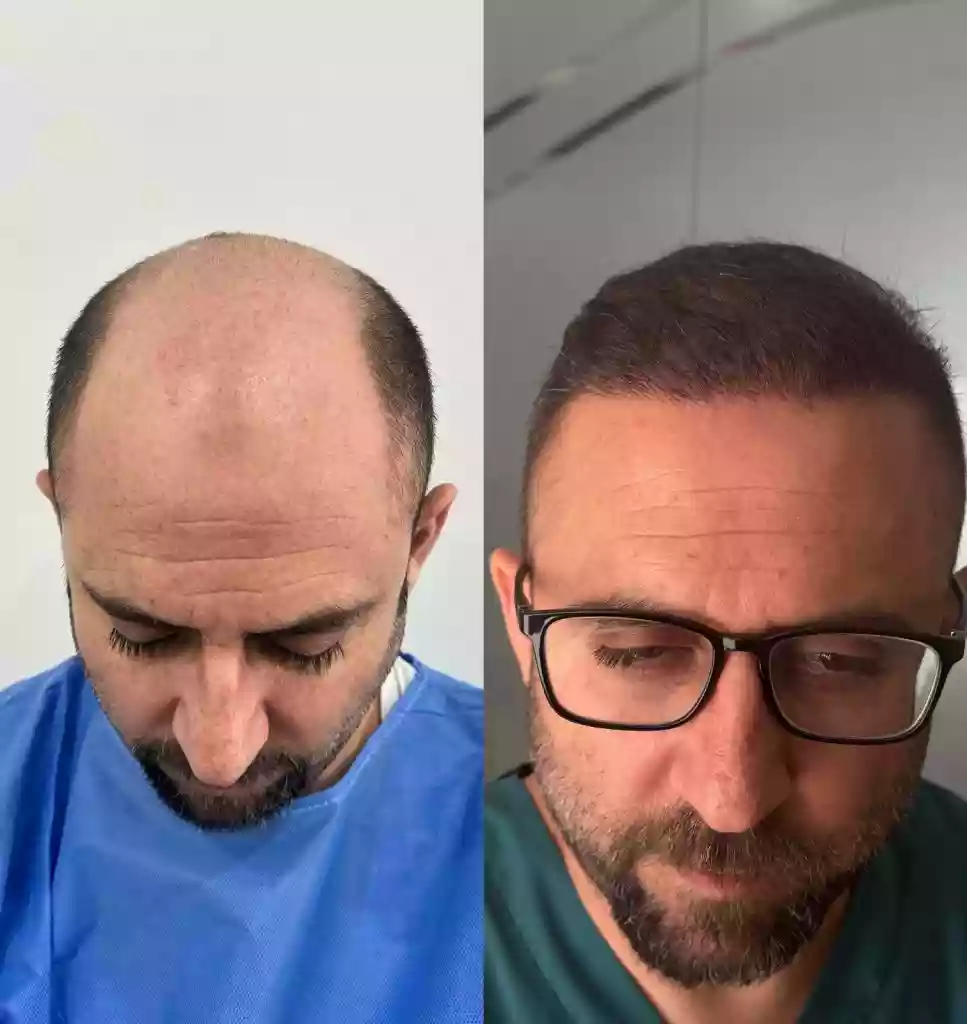 +Donor Area Recovery After Hair Transplant – FUE Healing
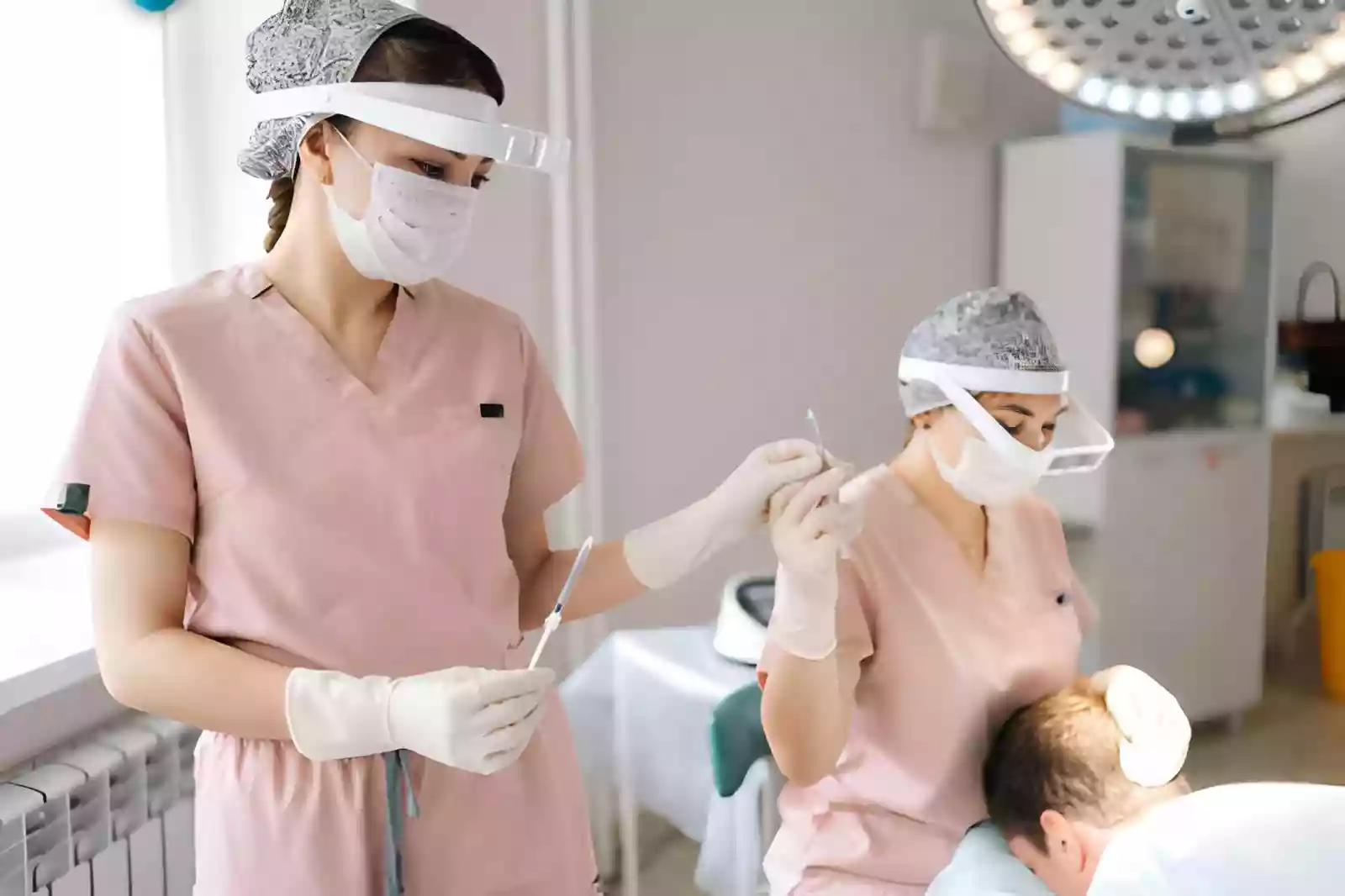 +FUE Donor Area Extraction Planning in Taksim
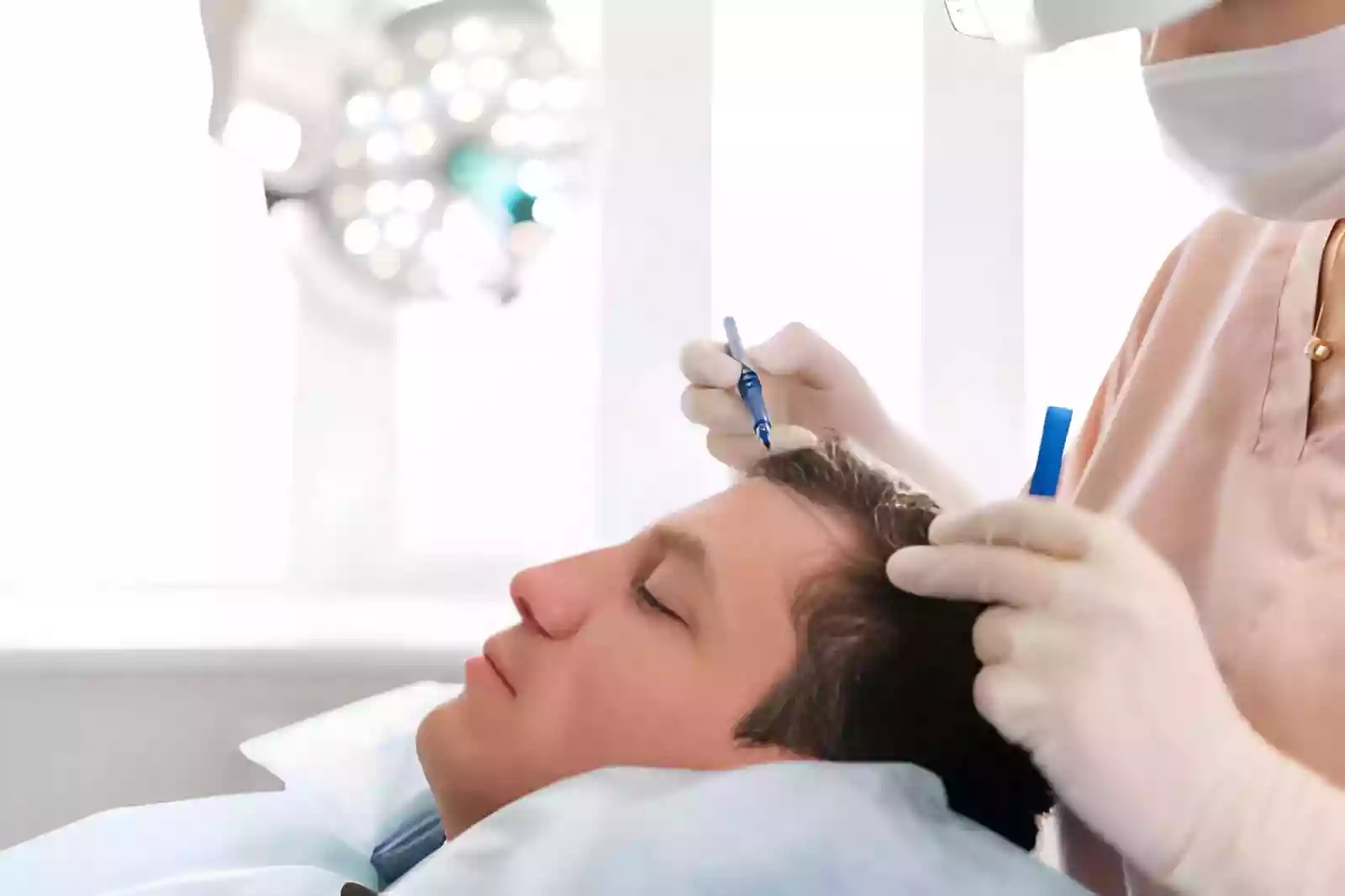 +Donor Area Washing After FUE Hair Transplant
 +Donor Area Recovery in Taksim, Istanbul