Hair Transplant in Taksim, Istanbul: Your 3-Day Journey to a New You
Planning a hair transplant in Taksim can be easier when you understand what happens before surgery, on procedure day and during the first post-operative check.
This 3-day guide explains a typical Istanbul hair transplant journey from arrival and consultation through FUE or DHI treatment, the first wash and your return home.
Why Choose Taksim for a Hair Transplant in Istanbul?
Taksim is one of Istanbul’s best-known central districts and can provide a practical base for international patients travelling to the city for hair transplantation.
The wider Taksim, Beyoğlu and Şişli area offers a large selection of hotels, restaurants, pharmacies and transport connections. Staying centrally can reduce unnecessary travel between accommodation, consultation locations and the medical facility.
However, location should not be the main reason for choosing a hair transplant provider. The medical assessment, donor management, hairline design, treatment facility, surgical team and aftercare plan are considerably more important.
 +
Day 1: Arrival, Consultation and Hair Transplant Planning
The first day should be focused on medical assessment and preparation rather than rushing directly into surgery.
After arriving at Istanbul Airport or Sabiha Gökçen Airport, travel to your accommodation and allow enough time to rest after your flight.
Your medical history, current medications, previous procedures and relevant health information should be reviewed before treatment.
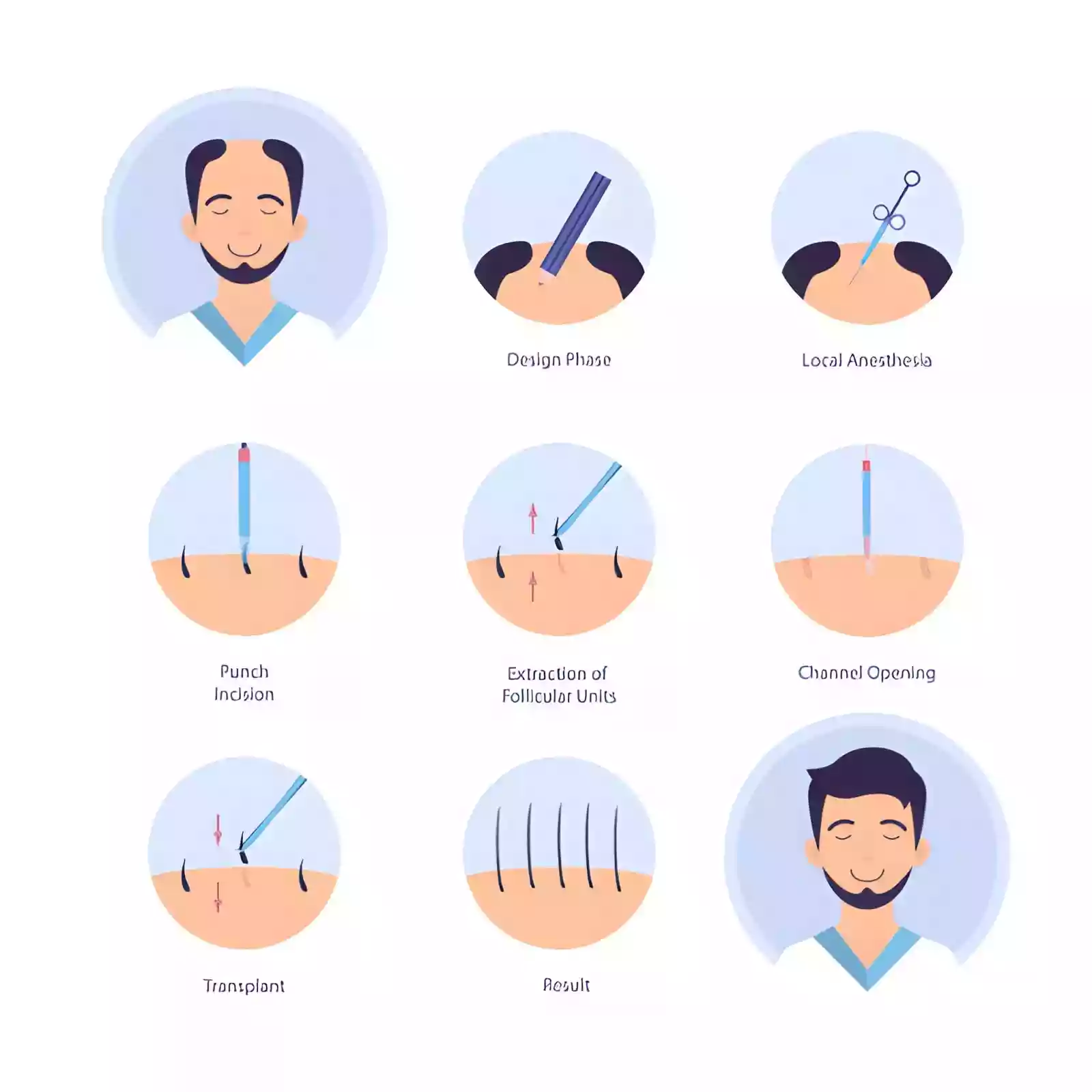
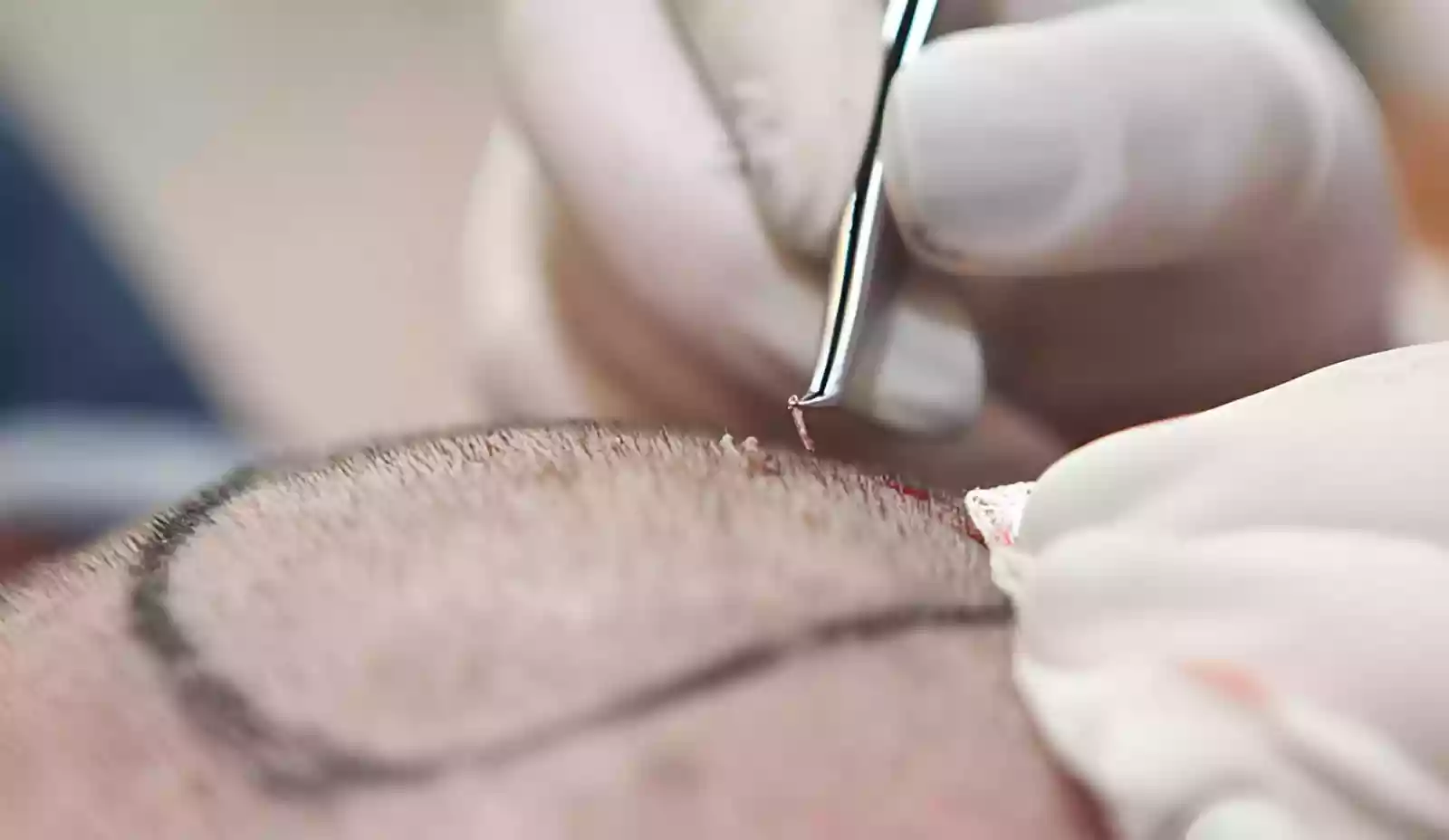
The scalp and donor area are examined to assess density, hair characteristics, previous extraction patterns and the number of grafts that may be safely available.
The proposed hairline is planned according to facial proportions, existing hair, future hair-loss considerations and available donor capacity.
The team confirms the intended recipient zones, approximate graft requirement and whether FUE, Sapphire FUE or DHI is appropriate for the case.
The final plan may differ from an estimate made from photographs because an in-person examination provides information that photographs cannot fully show, including hair calibre, scalp characteristics and donor density.
Day 2: Hair Transplant Procedure in Istanbul
Procedure day usually takes several hours. The exact duration depends on the graft number, technique, donor characteristics and complexity of the recipient area.
Sapphire FUE or DHI: Which Technique Is Used?
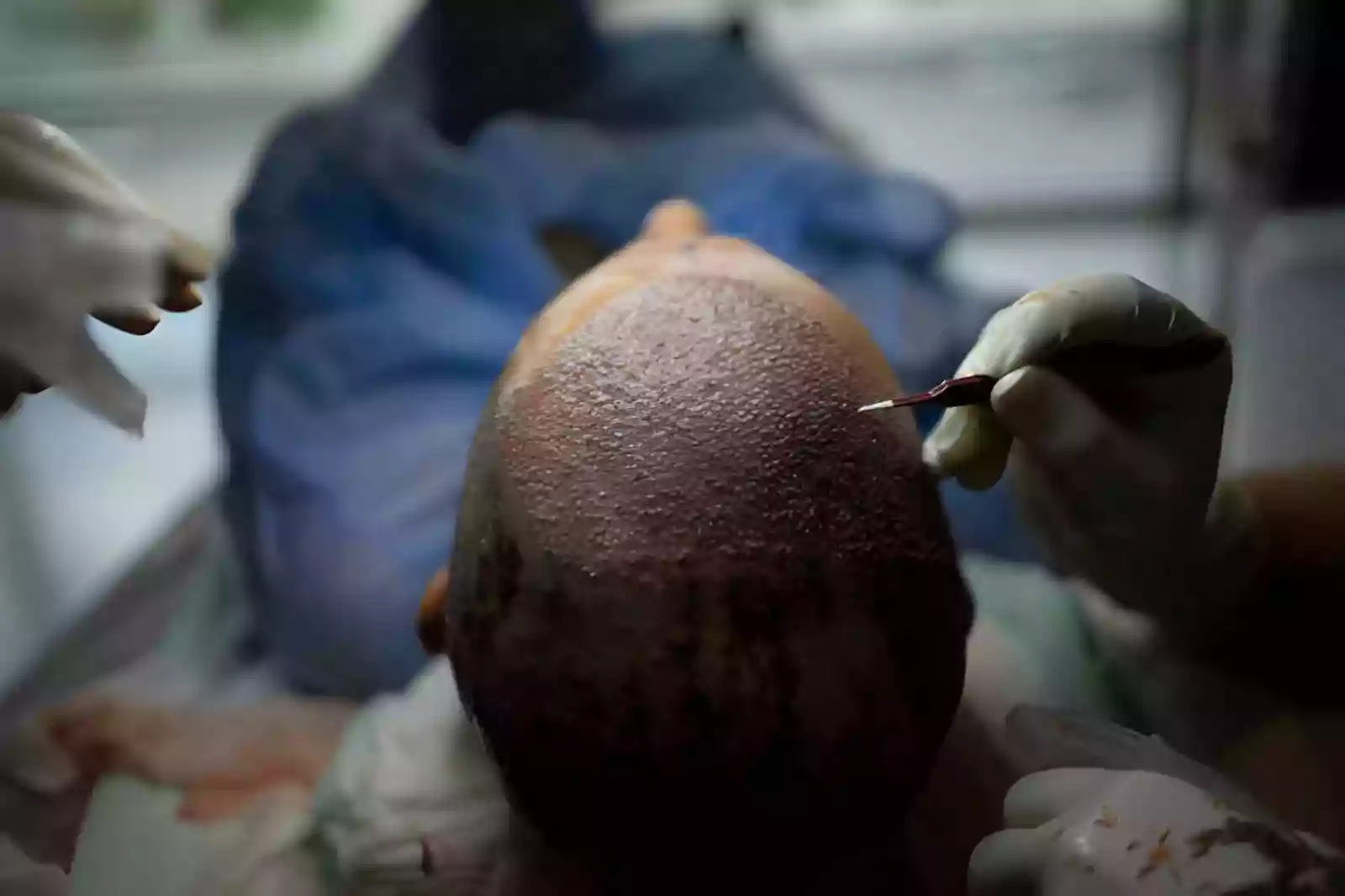
Both Sapphire FUE and DHI use follicular units extracted individually from the donor area. The main difference is how the recipient area and implantation stage are managed.
Sapphire FUE
With Sapphire FUE, recipient channels are created before graft placement. It can be suitable for larger areas requiring structured distribution of grafts.
DHI
DHI uses implanter pens during the placement stage and can provide detailed control when working between existing hairs or in selected areas where precise implantation is useful.
Neither method is automatically superior for every patient. The appropriate technique depends on the hair-loss pattern, donor area, existing hair, graft requirement and treatment objective.
 +
For a broader overview of treatment planning, see our Istanbul Hair Transplant Guide.
Day 3: Post-Operative Check, First Wash and Departure
The day after the procedure is primarily about checking the transplanted and donor areas and making sure you understand the aftercare routine.
The First Wash
The first washing session is designed to show how the scalp should be cleaned without unnecessary friction or pressure on the newly transplanted area.
Patients should follow the specific shampoo, lotion or foam instructions supplied by their medical team rather than improvising their own routine.
Swelling
Mild swelling can occur after hair transplantation and may become more noticeable during the first few days. Patients should follow their medical team’s instructions and seek medical advice if symptoms are severe, unusual or worsening.
Hair Transplant Recovery After Leaving Taksim
The procedure may fit into a short Istanbul stay, but the final result develops gradually. Understanding this distinction helps patients maintain realistic expectations.
Redness, mild swelling and scabbing can occur. Follow the washing protocol carefully and avoid scratching or picking the recipient area.
Depending on healing and your clinic’s instructions, the remaining crusts are usually cleared with the recommended washing technique rather than being forcibly picked.
Many transplanted hair shafts shed. This can be part of the expected post-transplant cycle and does not by itself mean the follicles have been lost.
New growth commonly begins gradually. Early hairs may initially appear fine and uneven.
More visible growth and maturation generally develop as the new hairs become longer and thicker.
A more meaningful assessment is generally possible around the 12-month stage, although maturation can vary between patients and scalp regions.
When Can You Fly Home After a Hair Transplant?
Many international patients travel home after the post-operative examination and first wash, provided there are no medical reasons to delay travel and the treating team is satisfied with the early recovery.
During the journey, the main practical concern is protecting the recipient area from accidental contact. Airport crowds, luggage compartments and low vehicle ceilings can create more risk to fresh grafts than the flight itself.
How to Choose a Hair Transplant Clinic in Taksim
The source article correctly highlights that clinics should not be treated as interchangeable. The medical team, facility and treatment plan matter more than a low package price or central location.
Be Careful With Guarantees
Hair transplantation is a medical procedure and individual outcomes vary. Be cautious with providers promising guaranteed density, guaranteed graft survival or identical results for every patient.
Think About the Donor Area Long Term
The donor area contains a limited number of usable follicular units. A treatment plan should consider not only the current procedure but also the possibility of future hair loss and whether donor reserves may be needed later.
Is Three Days in Istanbul Enough for a Hair Transplant?
For many uncomplicated cases, a three-day structure can cover arrival and consultation, the procedure, and an early post-operative check. However, it should not be treated as a mandatory schedule for every patient.
Some patients may benefit from arriving earlier or staying an additional night because of flight schedules, medical considerations or personal preference.
Frequently Asked Questions About a 3-Day Hair Transplant in Taksim
1Is three days enough for a hair transplant in Istanbul?
2Is the hair transplant performed on the day I arrive?
3How long does the hair transplant procedure take?
4Is DHI better than Sapphire FUE?
5When is the first wash after a hair transplant?
6When do transplanted hairs start growing?
7When can I see the final hair transplant result?
8Can I fly home on Day 3?
Planning Your Hair Transplant Journey in Taksim
A three-day hair transplant journey in Taksim can provide a practical structure for international patients: consultation and planning on the first day, transplantation on the second day, and early post-operative care before departure.
The most important part of the journey, however, is not completing treatment as quickly as possible. Careful donor assessment, realistic graft planning, natural hairline design, appropriate technique selection and consistent aftercare all contribute to the long-term treatment plan.