One-on-One Online Consultation explains how an online hair transplant assessment reviews hair loss, donor areas, goals, photos and treatment planning.
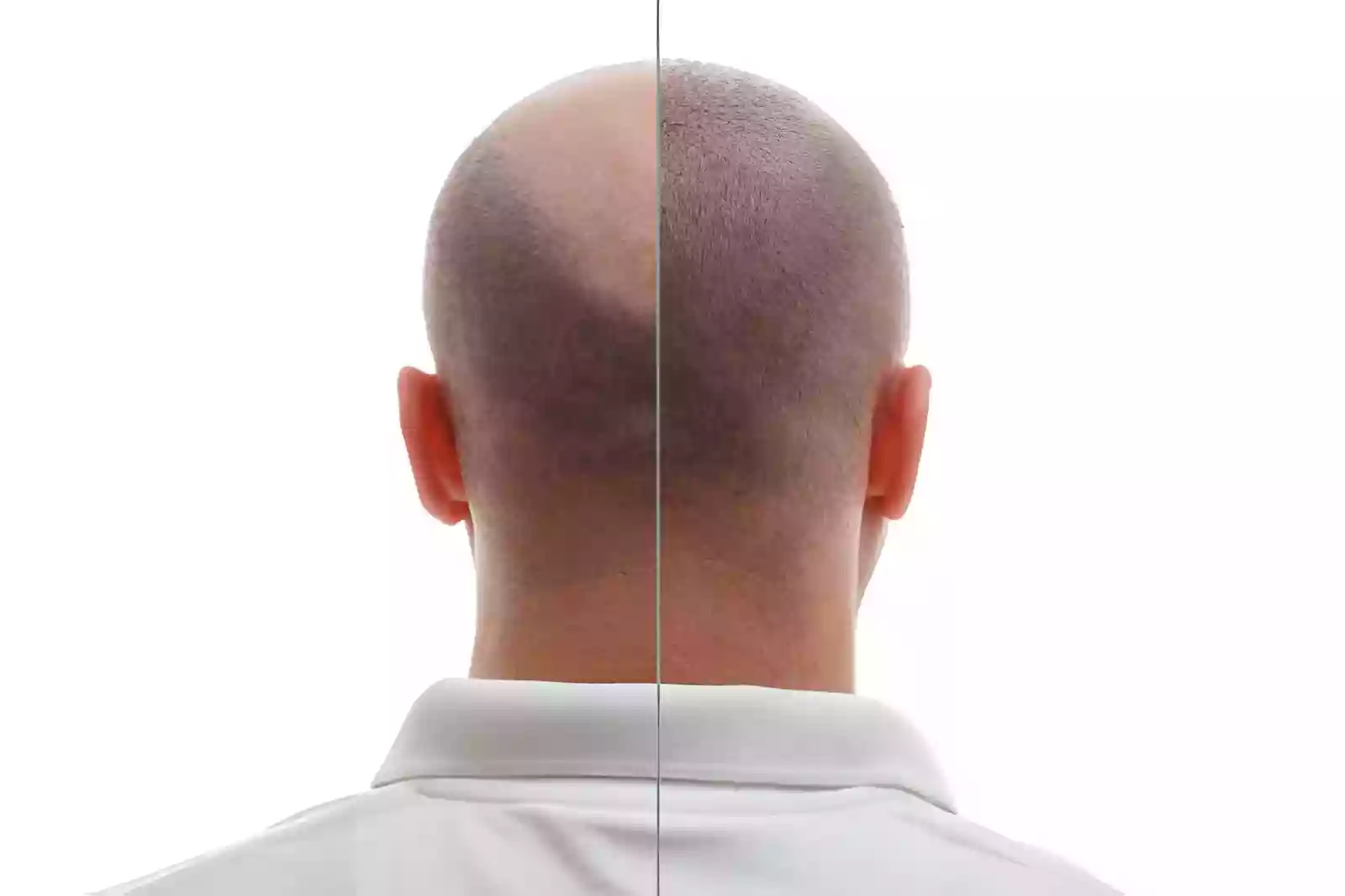 One-on-One Online Consultation for Hair Transplant Planning
+
One-on-One Online Consultation
PERSONAL ASSESSMENT • HAIR LOSS • DONOR PLANNINGA private online consultation can be a useful first step for international patients considering a hair transplant in Istanbul. It provides an opportunity to discuss hair-loss history, treatment goals, donor-area appearance and practical questions before travelling.
The assessment can also help identify which information is still missing before a treatment plan can be discussed responsibly. It should be viewed as preliminary planning rather than a substitute for an in-person scalp and medical examination.
How to Prepare for a One-on-One Online Consultation
A useful consultation begins before the video call or detailed photo review. The more clearly your current hair loss and donor area can be seen, the easier it is to have a focused discussion about realistic treatment possibilities.
Patients should normally be prepared to explain when their hair loss began, whether it is still progressing, whether they have undergone a previous hair transplant and whether they currently use any hair-loss treatments.
Share your hair-loss history
Explain when thinning started, how it has changed and whether close relatives have experienced a similar pattern of hair loss.
Mention previous procedures
If you have had a previous transplant, scalp surgery or another relevant procedure, include this information before treatment planning.
Explain your priorities
A natural hairline, frontal density, mid-scalp coverage and crown improvement can require different planning priorities.
Prepare relevant medical information
Medical conditions, regular medication, allergies and other relevant history should be disclosed so the clinical team can determine what requires further review.
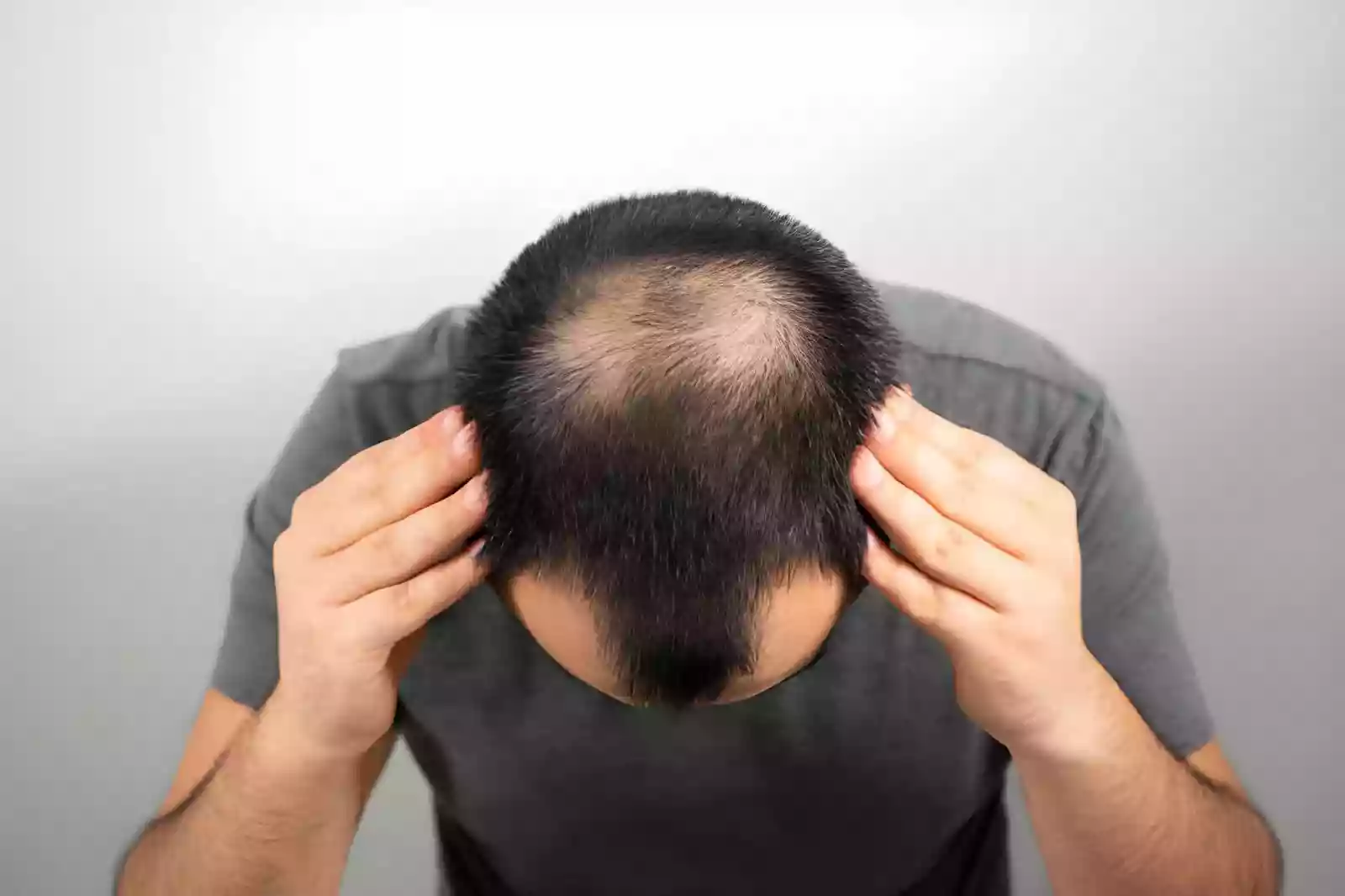 Preparing for a Private Online Hair Transplant Assessment
+
Photos That Make an Online Assessment More Useful
Photographs are especially important when an online consultation takes place before travel. They do not replace examination of the scalp, but consistent angles and good lighting can make the preliminary review considerably more informative.
What Happens During a One-on-One Online Consultation?
The purpose is not simply to produce a graft number. A useful consultation should establish what you want to improve, what can reasonably be assessed remotely and which decisions should wait until the scalp can be examined in person.
Your goals are discussed
The conversation begins with your priorities. This may include the frontal hairline, temples, mid-scalp, crown or improvement after a previous procedure.
Hair-loss pattern is reviewed
Current photographs and history are considered together. Existing hair, visible thinning and the possibility of future progression all influence long-term planning.
The donor area is considered
The back and sides of the scalp are reviewed from photographs. A remote assessment can suggest whether the donor appears promising, but it cannot accurately measure every donor characteristic.
Technique options are explained
FUE, Sapphire FUE or DHI may be discussed when relevant. No technique should automatically be presented as the best choice for every patient.
A preliminary plan is outlined
Possible treatment areas and an estimated graft range may be discussed. The definitive plan can change after physical examination of the donor and recipient areas.
 Donor Capacity and Graft Planning Before Hair Transplantation
+
From Online Assessment to Graft Planning
One of the most common questions during an online consultation is how many grafts may be required. A photograph can support a preliminary estimate, but graft planning is more complex than measuring the size of a bald area.
Donor density, hair calibre, hair texture, scalp visibility, existing native hair, the desired hairline and the size of the recipient area all influence planning. Crown work can also require a different distribution strategy from frontal restoration.
For a more detailed explanation of graft estimates, read our How Many Grafts Do I Need for a Hair Transplant in Taksim, Istanbul? guide.
FUE, Sapphire FUE or DHI: What Can Be Discussed Online?
An online consultation can help explain the differences between commonly discussed implantation approaches. However, the final technique should be based on the patient’s scalp, donor characteristics, recipient areas and treatment plan rather than marketing terminology alone.
FUE
Follicular units are individually extracted from the donor area. The way recipient sites are prepared and grafts are placed can vary according to the surgical plan and provider.
Sapphire FUE
This generally refers to FUE extraction combined with sapphire blades for recipient-channel creation. The blade material alone does not guarantee density, faster healing or a particular result.
DHI
DHI commonly refers to placement with pen-style implanters. It can be useful in selected treatment plans, but it is not automatically superior for every pattern of hair loss.
What an Online Consultation Cannot Confirm
Remote consultation is useful for screening and planning, but some information cannot be established reliably from photographs or video alone. Recognizing these limitations makes the consultation more useful rather than less valuable.
Exact donor density
Photographs can show the general appearance of the donor area, but they cannot replace close physical assessment of density, calibre and extraction suitability.
Final graft count
An estimated range may be possible online. The final number should reflect the in-person donor examination, recipient area and agreed treatment priorities.
Complete medical suitability
Relevant history can be discussed remotely, but additional medical information, examination or clearance may be required before surgery in some cases.
Final hairline design
Ideas can be discussed online, while final design is better assessed in person with facial proportions, existing hair, donor resources and long-term hair loss in mind.
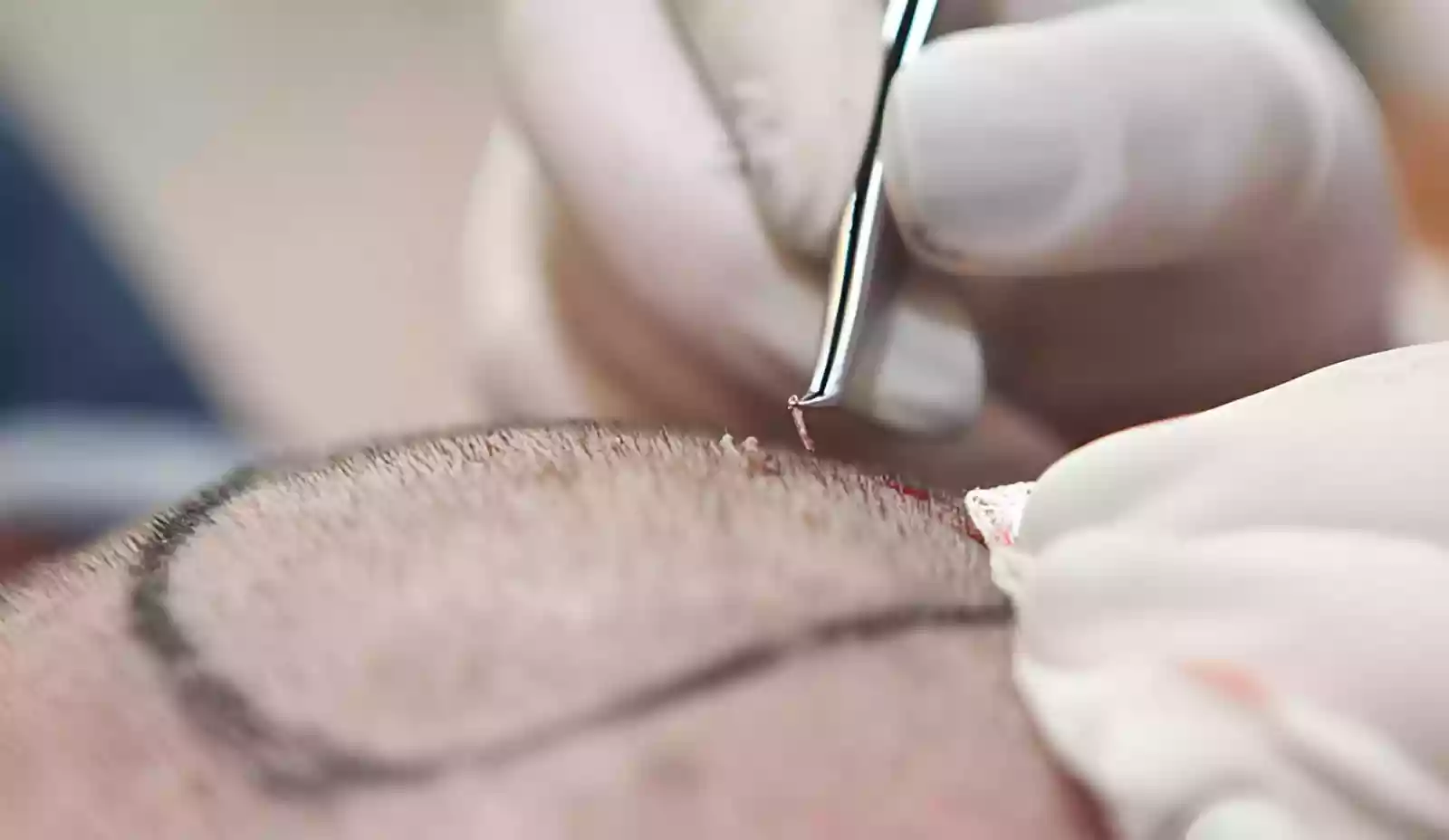 Online Hairline Assessment: Preliminary Planning Before Examination
+
Questions Worth Asking During Your Consultation
A one-on-one format is most useful when the patient also asks questions. Rather than focusing only on price or an advertised graft number, use the discussion to understand how the treatment would actually be planned.
Who assesses my suitability?
Ask who reviews your medical information and who performs the in-person assessment before the procedure.
Who designs my hairline?
Clarify how the design is agreed and how age, facial proportions, donor capacity and possible future hair loss are considered.
Who performs each stage?
Ask who is responsible for extraction, recipient-site creation and implantation. Team roles can differ between providers.
How is the graft estimate calculated?
A useful answer should discuss donor capacity and treatment priorities rather than simply promising the largest possible graft number.
Planning an Istanbul Visit After Your Online Consultation
For international patients, the consultation can also clarify the practical sequence of an Istanbul trip: arrival, in-person assessment, procedure day, early aftercare and departure planning.
Taksim and the wider Beyoğlu area provide central access to hotels, transport and many parts of Istanbul. Travel convenience should still remain separate from the medical decision about which provider and treatment plan are appropriate.
View Taksim Square on Google Maps → From Online Consultation to Treatment Planning in Taksim, Istanbul
+
One-on-One Online Consultation: Frequently Asked Questions
01What is a One-on-One Online Consultation for a hair transplant?
02Can a hair transplant be planned completely online?
03What photos should I send for an online consultation?
04Can the exact number of grafts be confirmed online?
05Can FUE, Sapphire FUE or DHI be chosen during the consultation?
06Should I mention previous hair transplant surgery?
07Should medical conditions and medication be discussed online?
08Is an online consultation a guarantee that I am suitable for surgery?
One-on-One Online Consultation as the First Planning Step
A One-on-One Online Consultation can make the early stages of hair transplant planning clearer by bringing photographs, hair-loss history, donor considerations and personal goals into one structured discussion.
Its greatest value is in identifying realistic questions before travel. Preliminary graft estimates and technique options can be discussed remotely, while final donor assessment, hairline design, medical suitability and the definitive surgical plan should be confirmed during the appropriate in-person evaluation.