Face Lift in TaksimTurkey explains facelift surgery, consultation, techniques, recovery, risks, candidacy, costs and treatment planning in Istanbul.
 Face Lift in TaksimTurkey
+
Face Lift in TaksimTurkey
+Face Lift in TaksimTurkey
FACELIFT • RHYTIDECTOMY • ISTANBULA facelift, medically known as rhytidectomy, is a surgical procedure designed to address selected signs of facial ageing, particularly laxity affecting the lower face, jawline and, depending on the surgical plan, the neck.
For international patients considering facelift surgery in Istanbul, the consultation should clarify what the operation can realistically change, which technique is being proposed and how recovery and follow-up will be managed.
What Is a Face Lift?
A facelift, or rhytidectomy, is cosmetic surgery intended to improve selected age-related changes in the face. Depending on the technique, surgery can involve repositioning deeper tissues, redraping the skin and removing an appropriate amount of excess skin.
Incisions are commonly planned around portions of the hairline and ear, although their exact location varies with the technique and extent of surgery.
The operation may be focused mainly on the lower face and jawline or may form part of a broader facial rejuvenation plan. Neck treatment can also be incorporated when clinically appropriate.
What Can Facelift Surgery Address?
Facial ageing does not occur only at skin level. Changes can involve skin elasticity, soft-tissue position, facial volume and deeper structural support. This is one reason treatment should be based on examination rather than age alone.
Lower-Face Laxity
Facelift surgery may improve selected laxity and descent affecting the lower face.
Jawline Definition
Repositioning tissues may improve the appearance of jowling and provide a more defined transition along the jawline.
Facial Folds
Some facial folds may soften after surgery, although eliminating every line is neither realistic nor necessarily desirable.
Neck Changes
When neck laxity is an important concern, the surgeon may discuss whether additional neck treatment is appropriate.
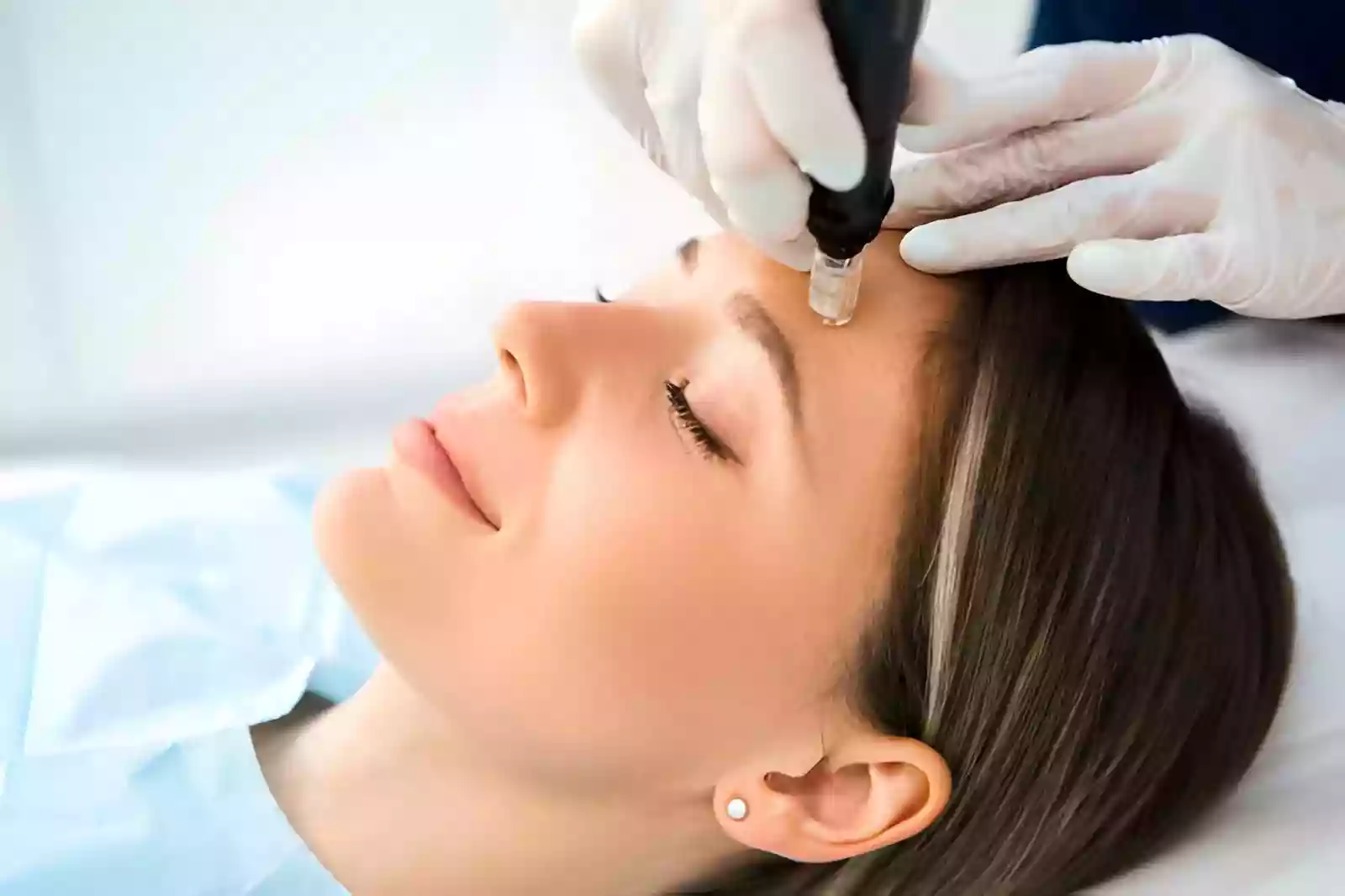 Facelift and Facial Rejuvenation
+
Facelift and Facial Rejuvenation
+Types of Facelift Surgery
Terms used to describe facelift techniques can differ between surgeons. The name of an operation is therefore less important than understanding exactly which tissues and areas the surgeon intends to treat.
A more extensive facial rejuvenation operation may address broader lower-face laxity and can be combined with neck treatment when indicated.
A more limited operation may be considered for selected patients with less extensive laxity. “Mini” does not mean that it is suitable for everyone or that recovery is negligible.
Planning may concentrate on the lower face, jowls and jawline when these are the patient’s principal concerns.
Facial and neck surgery may be combined when ageing changes cross the jawline and involve both regions.
Selected patients may also discuss eyelid surgery, brow procedures or facial fat transfer, but additional procedures increase the scope of treatment and require individual safety assessment.
How Face Lift Surgery Is Planned
The exact surgical sequence varies according to the technique, surgeon and patient’s anatomy. A simplified treatment pathway can help international patients understand the major stages.
Consultation and Examination
The surgeon assesses facial and neck anatomy, skin, previous procedures, medical history and the patient’s priorities.
Procedure Selection
The planned areas, incision strategy, anaesthesia and whether any additional procedure is appropriate should be explained before surgery.
Anaesthesia
The anaesthetic plan depends on the extent of surgery and clinical circumstances. Patients should know who provides the anaesthesia and where surgery will take place.
Tissue Repositioning
Depending on the technique, deeper facial tissues may be repositioned before the skin is redraped. The operation should not be understood as simply pulling the skin tighter.
Skin Redraping and Closure
The skin is repositioned and an appropriate amount of excess skin may be removed before incisions are carefully closed.
Postoperative Review
Early follow-up is used to assess healing and provide instructions concerning wound care, activity and the next stages of recovery.
Who May Be a Candidate for Face Lift Surgery?
Facelift candidacy cannot be determined from age alone. The decision depends on facial anatomy, the nature of the patient’s concerns, general health and whether surgery is likely to provide the type of change being requested.
Visible Facial or Neck Laxity
The patient may be concerned about jowling, lower-face laxity or other changes that are difficult to address with non-surgical treatments alone.
General Medical Suitability
Medical conditions, previous surgery and regular medication need to be reviewed before elective facial surgery.
Smoking Status
Smoking and nicotine use are particularly relevant because they can adversely affect circulation and wound healing. Individual instructions should come from the surgical team.
Realistic Expectations
A patient should understand both the potential improvement and the limitations of the operation, including scars and continued natural ageing.
 Facelift Consultation and Assessment
+
Facelift Consultation and Assessment
+Facelift Consultation and Personalized Planning
The consultation should begin with what the patient actually wants to change. A surgeon can then assess whether facelift surgery addresses that concern or whether another approach may be more appropriate.
Previous facial surgery, fillers, threads, injectables and other treatments should be disclosed because they may influence examination and planning.
The surgeon should also review medical conditions, allergies, regular medication, smoking or nicotine use and relevant previous anaesthetic or surgical history.
For international patients, photographs or video consultation can assist preliminary planning, but an in-person examination may still be necessary before the final surgical plan is confirmed.
Recovery After Face Lift Surgery
Swelling, bruising, tightness and discomfort can occur after facelift surgery. Their intensity and duration vary according to the extent of surgery and the individual patient.
The source material suggests that many patients may return to some normal activities in roughly 10–14 days, but this should be treated as a general estimate rather than a promise. Visible swelling and healing can continue beyond that period.
Early Recovery
Patients may receive instructions about head elevation, wound care, medication and limiting activity during the early postoperative period.
Bruising and Swelling
These commonly improve progressively rather than disappearing immediately. Recovery can differ between the two sides of the face.
Stitches and Reviews
The timing of wound checks and suture removal depends on the surgical plan and should be confirmed before an international patient travels home.
Exercise
Strenuous activity is generally restricted during early healing. The surgeon should specify when different activities can safely resume.
Scar Maturation
Incisions require time to mature. Their final appearance cannot be judged during the first days or weeks after surgery.
Natural-Looking Facelift Results
A facelift can reposition selected facial tissues, but it cannot stop future ageing or create perfect symmetry. The face continues to change naturally after surgery.
The term “natural-looking” does not mean the same thing to every patient. During consultation, it is useful to clarify whether the goal is subtle rejuvenation, stronger jawline definition or correction of more advanced laxity.
Before-and-after photographs may help illustrate a surgeon’s approach, but results from another patient cannot predict an individual’s outcome.
Skin quality, anatomy, healing, surgical technique and the extent of treatment can all influence the final appearance.
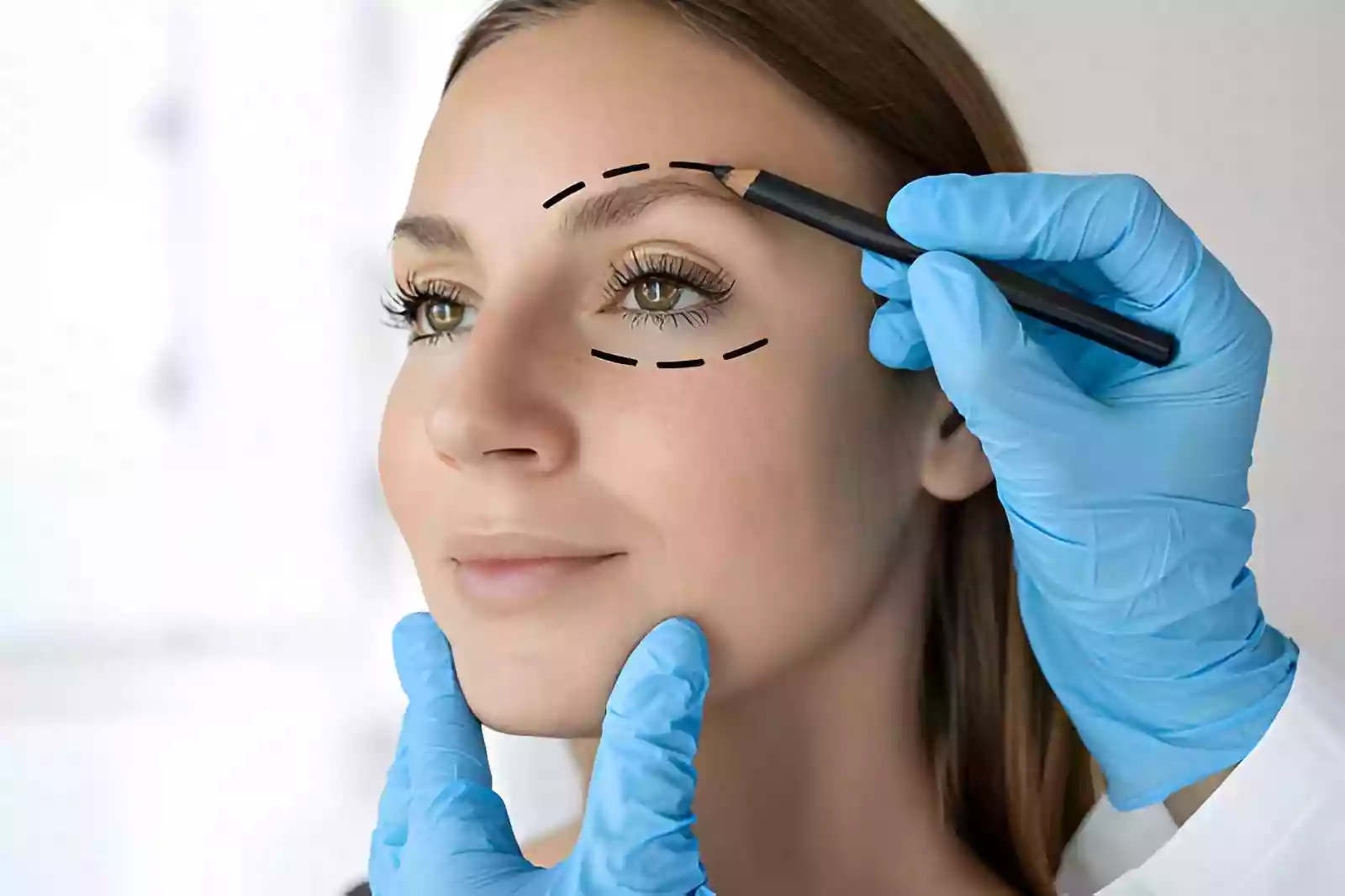 Natural-Looking Facelift Planning
+
Natural-Looking Facelift Planning
+Face Lift Risks and Safety Considerations
Facelift surgery carries potential complications, as does any surgical procedure. The risks relevant to the patient’s planned operation should be discussed as part of informed consent.
Bleeding and Haematoma
Postoperative bleeding or a collection of blood can occur and may require assessment or additional treatment.
Infection and Wound Healing
Infection and delayed wound healing are possible. Smoking, health conditions and other individual factors may affect healing.
Scarring
Facelift surgery requires incisions and therefore creates scars. Surgeons generally plan them around anatomical boundaries where possible, but scar appearance varies.
Sensation and Nerve Changes
Temporary sensory changes can occur, and nerve-related complications are among the issues that should be discussed before surgery.
Asymmetry
Natural facial asymmetry exists before surgery and some asymmetry can remain or occur during healing.
Anaesthesia-Related Risk
The type of anaesthesia and its associated considerations should be reviewed according to the patient’s health and the planned operation.
Non-Surgical Alternatives to Face Lift Surgery
Botulinum toxin, dermal fillers and selected energy-based or skin treatments can address particular aesthetic concerns without facelift surgery.
However, they do not reproduce the same structural effect as surgery when significant tissue laxity or jowling is the principal concern.
Conversely, a facelift is not automatically the best treatment for fine lines, pigmentation or every type of volume loss. These concerns may require different or complementary approaches.
The decision should therefore be based on anatomy and treatment goals rather than choosing between “surgical” and “non-surgical” solely according to recovery time.
For an overview of related options, see our guide to Face Aesthetics in Taksim Turkey.
Face Lift Cost in Taksim Turkey
The total cost of facelift surgery can vary because not every patient undergoes the same operation. A meaningful quotation should reflect the actual treatment plan rather than only the term “facelift.”
Extent of Surgery
A limited procedure and a more extensive face-and-neck operation involve different surgical plans and resources.
Surgeon and Surgical Team
Professional fees may vary according to the surgeon, team and complexity of the planned procedure.
Hospital or Facility
The operating facility, theatre requirements and planned length of stay can form part of the total cost.
Anaesthesia
Anaesthesia-related costs can vary with the operation and anaesthetic plan.
Additional Procedures
Combining facelift surgery with neck, eyelid, brow or other procedures changes both the clinical plan and total price.
Medical Travel Components
International patients should clarify separately whether accommodation, airport transfers, local transport, medication and follow-up are included.
Choosing a Facelift Surgeon
Aesthetic preference matters, but choosing a surgeon should not be based on social-media photographs alone. Patients should understand who will perform the surgery, their qualifications and how care is organized.
Face Lift in Taksim Turkey and Medical Travel
Taksim is one of the best-known central areas on Istanbul’s European side, with extensive hotel, transport, restaurant and visitor infrastructure.
For facelift patients, however, sightseeing should be secondary to recovery. The first days after surgery may involve swelling, bruising, wound care and scheduled medical reviews.
The length of stay in Istanbul should therefore be based on the surgeon’s postoperative plan rather than on a standard tourism itinerary.
View Taksim Square on Google Maps → Taksim, Istanbul
+
Taksim, Istanbul
+Face Lift in TaksimTurkey: Frequently Asked Questions
01What is a facelift?
02What is the difference between a full facelift and a mini facelift?
03How long is recovery after a face lift?
04Does a facelift remove every wrinkle?
05Are facelift results permanent?
06What are the risks of facelift surgery?
07Can a facelift be combined with other procedures?
08Can my facelift be planned from photographs before I travel?
Planning a Face Lift in TaksimTurkey
Face Lift in TaksimTurkey is best approached as an individualized surgical decision rather than a standardized anti-ageing package. Facial anatomy, tissue laxity, medical history, previous treatments and the degree of change desired all influence the treatment plan.
A facelift may improve selected lower-face and jawline changes, and neck treatment may be incorporated when appropriate. It does not stop ageing, guarantee symmetry or replace treatments designed specifically for skin texture and pigmentation.
International patients should also consider the practical side of surgery: the operating facility, anaesthesia, postoperative accommodation, early medical reviews, recovery time and the arrangements for follow-up after returning home.
Clear discussion of the proposed technique, scars, expected improvement, limitations and possible complications provides a more useful basis for decision-making than promises of a particular appearance.