Eyebrow Transplantation in Taksim covers eyebrow design, FUE and DHI, donor hair, graft angles, recovery, risks and treatment planning in Istanbul.
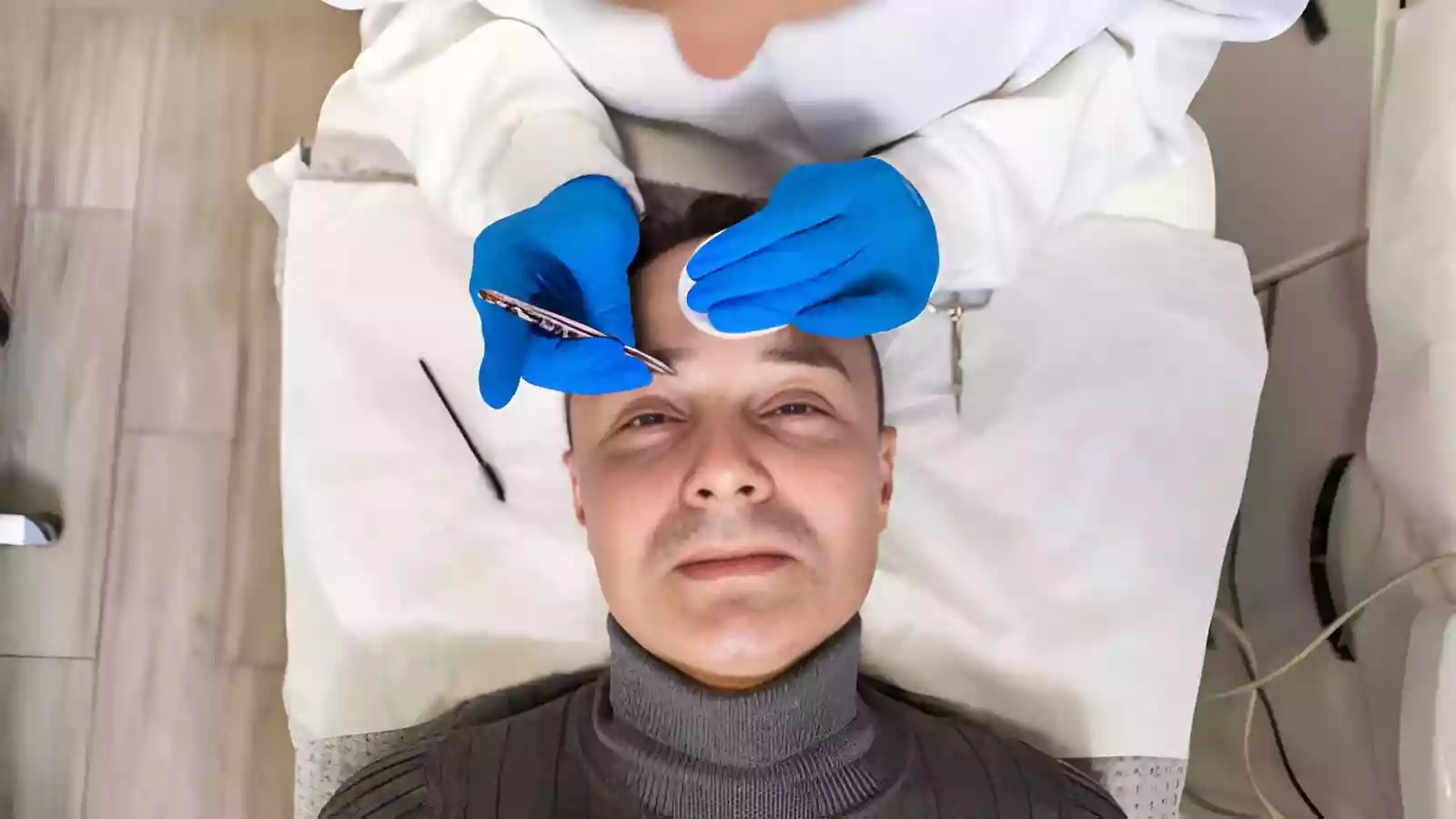 Eyebrow Transplantation in Taksim
+
Eyebrow Transplantation in Taksim
EYEBROW RESTORATION • TAKSIM • ISTANBULEyebrow transplantation transfers selected hair follicles from a suitable donor area to the eyebrows. It may be considered for naturally sparse brows, uneven density, selected gaps or other suitable areas where eyebrow hair is reduced.
Because eyebrows frame the eyes and occupy a highly visible part of the face, the procedure requires more than simply placing grafts. Shape, symmetry, hair direction, exit angle and graft selection all influence the final appearance.
What Is Eyebrow Transplantation?
Eyebrow transplantation is a hair-restoration procedure in which follicular units are extracted from a suitable donor area and implanted into planned eyebrow zones.
The objective may be to improve continuity, restore selected missing areas, add density or reconstruct a larger portion of the eyebrow. The appropriate plan depends on the patient’s natural brow pattern, facial proportions, donor hair and the reason for eyebrow thinning.
Unlike cosmetic eyebrow products, transplanted follicles can produce growing hairs. This also means that transplanted eyebrow hairs may require ongoing grooming and trimming after they mature.
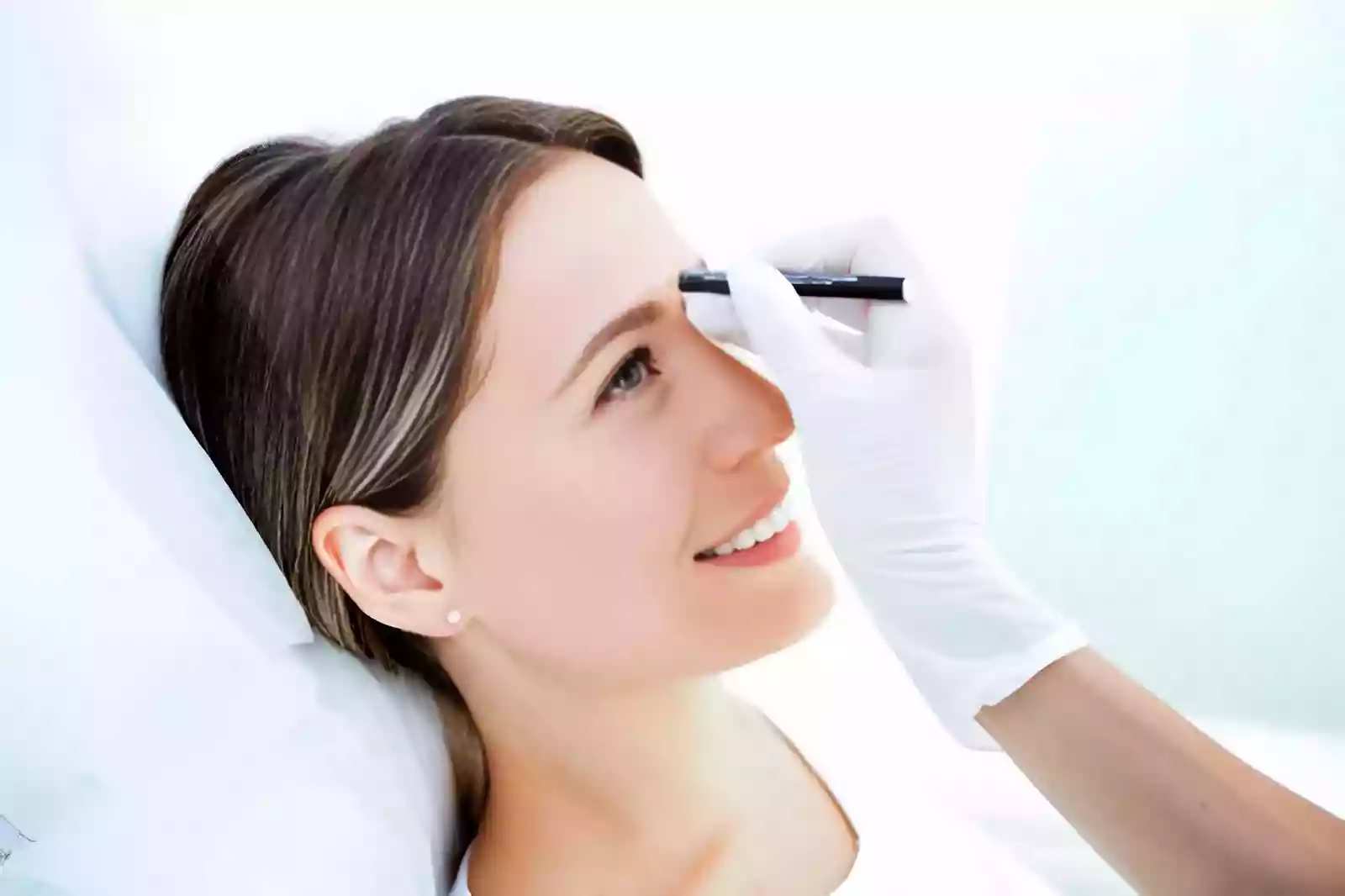 Planning Natural Eyebrow Restoration in Taksim
+
Eyebrow Design: Shape, Direction and Facial Balance
A natural eyebrow is not a straight row of hairs. Direction, density and angle change from the inner brow through the body and toward the tail. These details need to be considered before recipient sites are created or grafts are implanted.
The medial brow generally requires careful distribution so that the eyebrow does not begin with an abrupt, artificial-looking block of hair.
The central section needs to integrate with existing eyebrow hairs while maintaining a controlled direction across the brow.
The position and character of the arch should be planned around individual anatomy rather than copied from a standard template.
The lateral eyebrow often requires delicate placement and a natural reduction in visual weight toward the end of the brow.
The aim is therefore not maximum density everywhere. The distribution of follicular units should support the planned eyebrow architecture.
Who May Consider Eyebrow Transplantation in Taksim?
Suitability cannot be determined from eyebrow shape alone. The recipient skin, donor area, medical history and cause of hair loss all contribute to the decision.
Naturally Sparse Eyebrows
Some people naturally have limited eyebrow density or areas where the brow has never developed as fully as desired.
Uneven or Asymmetric Areas
Selected gaps or differences between the eyebrows may sometimes be suitable for targeted transplantation after assessment.
Selected Scarred Areas
Transplantation can sometimes be considered in suitable scars, although scar tissue differs from normal skin and graft growth cannot be assumed to behave identically.
Previously Reduced Eyebrow Density
Patients with longstanding stable thinning may be assessed for restoration, but active or unexplained hair loss should be considered carefully before surgery.
Consultation Before Eyebrow Transplant
A useful consultation should go beyond asking which eyebrow shape the patient prefers. It should determine whether transplantation is appropriate and whether the donor hair can realistically support the planned design.
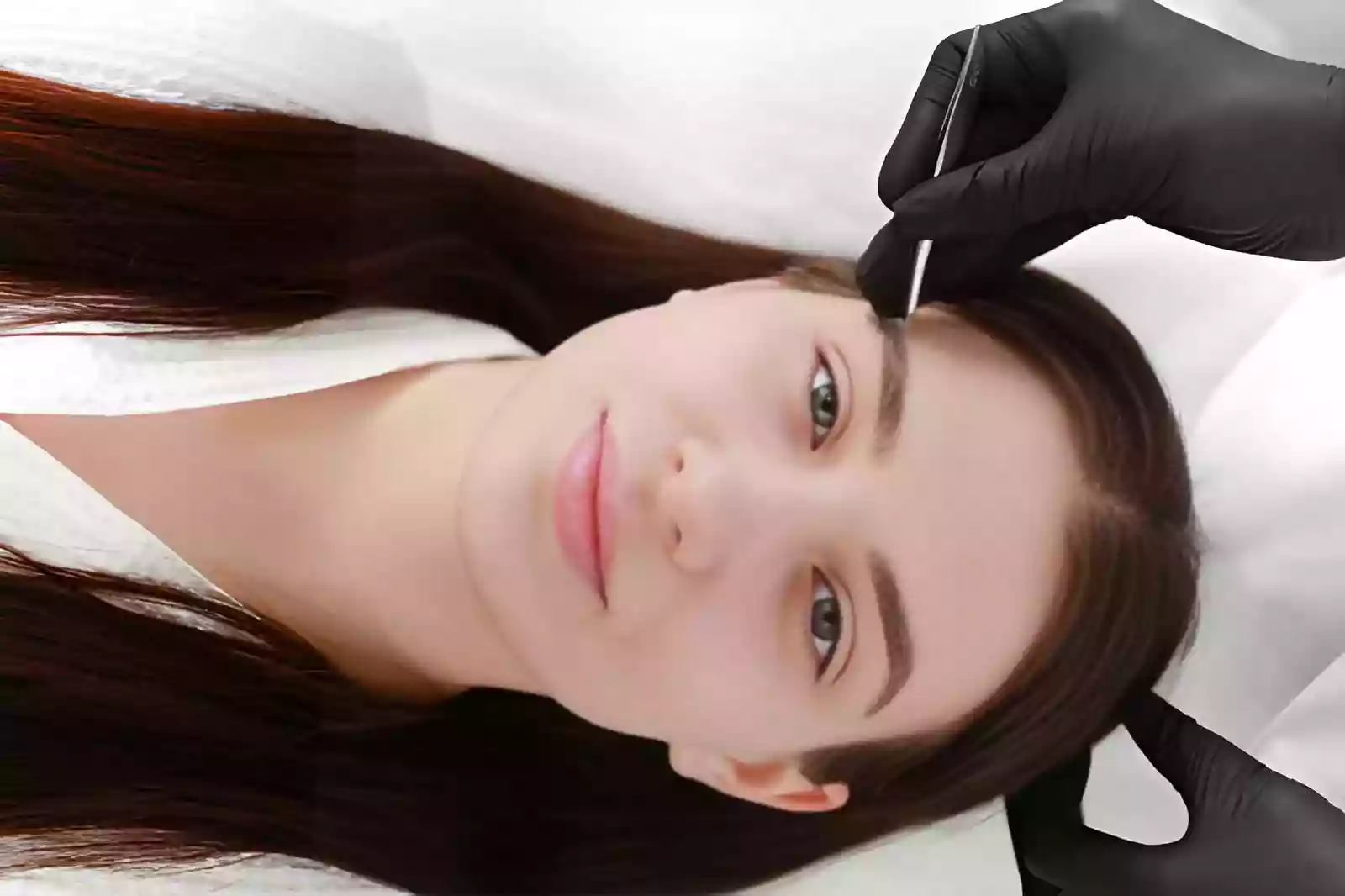 Eyebrow Consultation, Shape and Donor Assessment
+
FUE and DHI for Eyebrow Transplantation in Taksim
FUE and DHI are frequently used terms in hair transplantation, but they describe different parts of the process. Understanding that distinction is more useful than treating the names as competing packages.
FUE describes individual extraction of follicular units from a donor region. It creates many small extraction sites rather than a linear donor scar.
DHI commonly refers to implantation with an implanter device. It does not automatically describe a separate method of obtaining donor grafts.
For eyebrows, donor selection, graft handling, brow design and especially implantation angle and direction can be as important as the technique label itself.
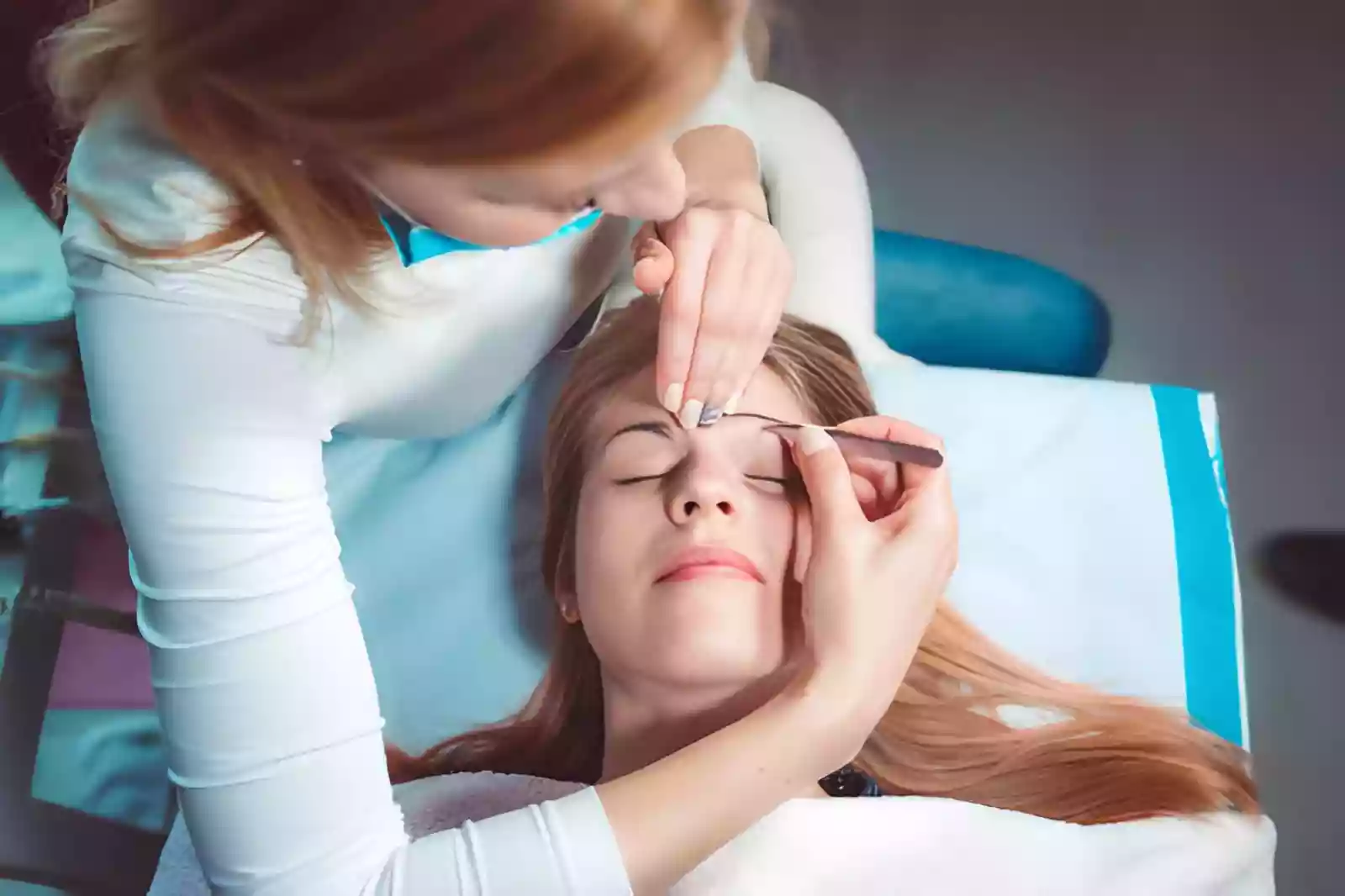 Selecting Donor Hair for Eyebrow Transplantation
+
Choosing Donor Hair for Eyebrow Transplantation
The scalp is commonly considered as a donor source for eyebrow transplantation. However, scalp hair and native eyebrow hair can differ in calibre, texture, growth behaviour and length.
This makes follicular selection important. The objective is not simply to extract whichever grafts are easiest to obtain. The medical team needs to consider how the selected hairs may integrate visually with existing eyebrow hair.
The donor area is also a limited resource. Even though eyebrow procedures generally involve a smaller recipient area than many scalp transplants, unnecessary donor harvesting should still be avoided.
Eyebrow Transplant Procedure Step by Step
The precise workflow varies according to the patient and provider, but eyebrow transplantation generally involves several distinct stages from assessment through early aftercare.
Assessment
The eyebrows, facial proportions, donor hair, medical history and reason for thinning are reviewed before the treatment plan is finalized.
Eyebrow Design
The planned shape is marked and reviewed. Existing eyebrow hairs, symmetry and the patient’s facial anatomy should guide the design.
Donor Preparation and Extraction
Suitable follicular units are selected and individually extracted when an FUE-based approach is used.
Graft Preparation
The extracted follicular units are handled and organized for placement according to the eyebrow plan.
Recipient Placement
Grafts are implanted into the planned eyebrow zones while accounting for direction, angle, spacing and transitions between different parts of the brow.
Early Aftercare
Post-procedure instructions cover protection of the recipient area, washing, prescribed medication where applicable and other early recovery precautions.
Why Eyebrow Graft Angle Matters
One of the defining technical challenges of eyebrow transplantation is the shallow relationship between eyebrow hairs and the skin. Hairs that emerge too vertically may appear unnatural even if the follicles grow successfully.
For this reason, evaluating eyebrow-transplant work should involve more than counting grafts. Close-up examples showing hair direction and the healed eyebrow can be informative when assessing a provider’s experience.
Recovery After Eyebrow Transplantation
The eyebrow area is highly visible, so patients should understand the likely early appearance before arranging work, social commitments or travel. Recovery varies between individuals.
Small crusts, redness and some swelling or tenderness may occur around the transplanted area. The grafts should be protected according to the post-operative instructions.
Crusting usually reduces as the recipient area heals. Patients should avoid scratching or forcibly removing crusts and should follow the washing protocol provided by their medical team.
The transplanted hair shafts may shed during the early post-transplant period. This can be part of the normal hair-growth cycle after transplantation.
New growth may start becoming noticeable from around the third or fourth month, while the appearance can continue developing and maturing over subsequent months.
The final appearance should not be judged during the first weeks. Individual growth speed, density and maturation vary, and no exact result timeline can be guaranteed.
How Natural Can an Eyebrow Transplant Look?
A natural appearance depends on more than follicle survival. The eyebrow should make sense as part of the patient’s face, and transplanted hairs need to integrate with any existing brow hairs.
The shape should also remain believable without makeup. Excessively sharp borders, uniform density or inappropriate hair direction can make an eyebrow look transplanted rather than naturally restored.
Appropriate Shape
The design should respond to facial proportions rather than follow a universal eyebrow template.
Controlled Direction
Implanted hairs should change orientation naturally across the inner brow, body, arch and tail.
Realistic Density
Available donor supply and recipient-area characteristics influence the density that can reasonably be created.
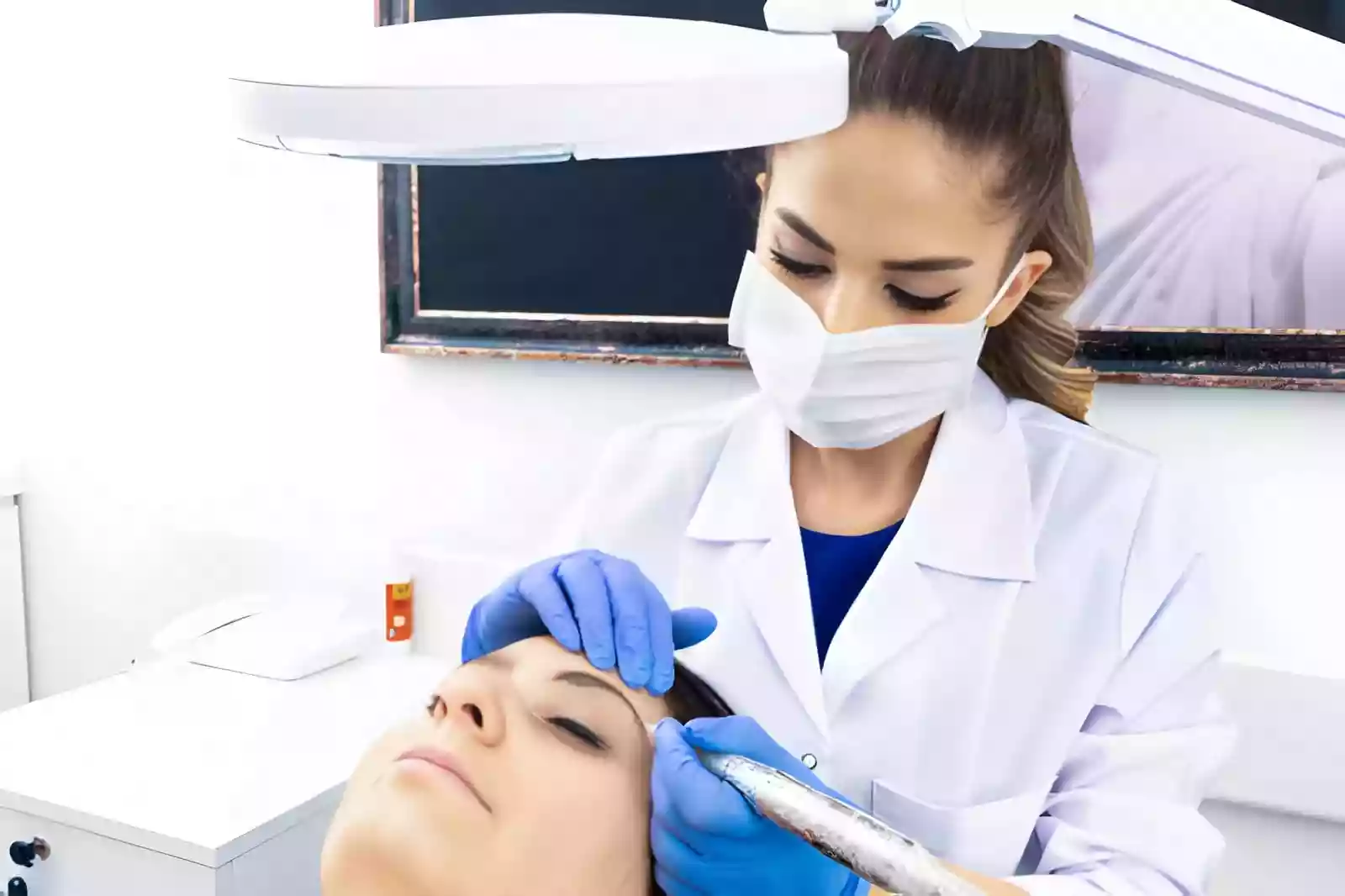 Natural Eyebrow Shape, Direction and Density Planning
+
Risks and Limitations of Eyebrow Transplantation
Eyebrow transplantation is a medical procedure. Patients should receive clear information about potential complications, limitations and alternatives before deciding to proceed.
Patients should also understand that transplantation does not necessarily treat the underlying cause of active eyebrow hair loss.
How to Evaluate an Eyebrow Transplant Clinic
Price and technique names alone do not provide enough information to evaluate an eyebrow transplant. The consultation should make the medical responsibility, treatment plan and division of roles clear.
Who is the medically responsible doctor for my eyebrow transplant?
Who performs donor extraction, eyebrow design, recipient-site planning and implantation?
How will the eyebrow shape be adapted to my facial proportions and existing brow hairs?
How will graft angle and direction be controlled through the inner brow, body, arch and tail?
Why is the proposed donor area suitable for my eyebrow hair characteristics?
What are the realistic density limitations in my individual case?
What complications and limitations should I understand before giving consent?
What follow-up and aftercare will be available after I return home?
For a related guide to the broader treatment pathway, see Eyebrow Transplant Procedure in Taksim.
Planning Eyebrow Transplantation in Taksim, Istanbul
Taksim is a central part of Istanbul with hotels, restaurants and transport connections around Taksim Square and the wider Beyoğlu area. For an international patient, staying close to the treatment location can simplify the practical side of a short medical trip.
Location should remain a logistical consideration rather than the main reason for selecting a provider. Medical responsibility, eyebrow-transplant experience, facility standards, donor assessment, informed consent and aftercare should be evaluated separately.
View Taksim Square on Google Maps → Taksim, Istanbul for Eyebrow Transplant Patients
+
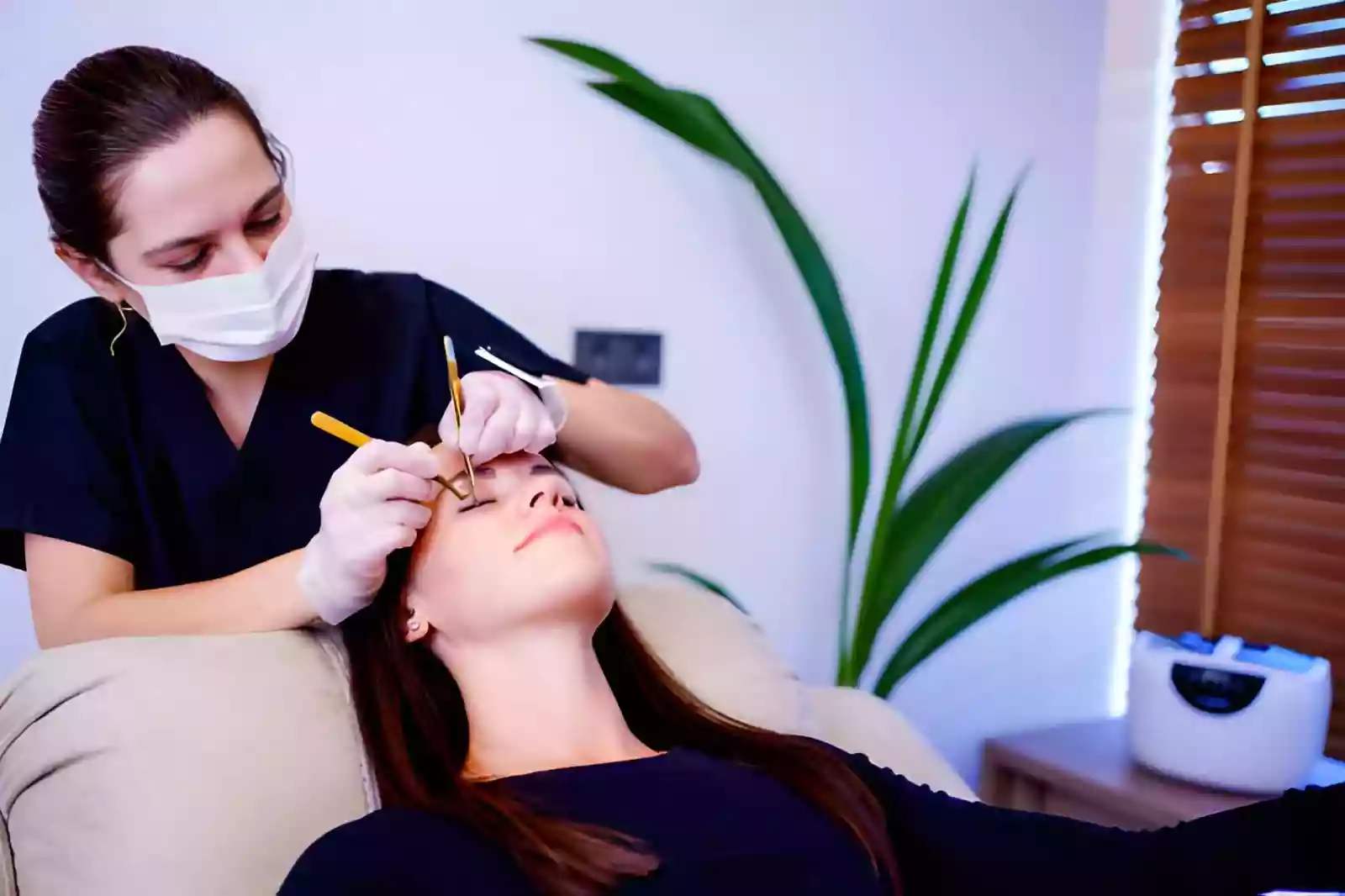 Planning an Eyebrow Transplant Treatment Journey
+
Cost and Treatment Planning
The cost of eyebrow transplantation can vary according to the provider, complexity of the case, medical team, facility, planned graft requirement and what is included in the treatment arrangement.
Comparing only the lowest advertised price can hide meaningful differences between treatment plans. Patients should understand what the quoted amount includes and whether consultations, procedure-related care, medication, follow-up or other services are included.
Eyebrow Transplantation in Taksim: Frequently Asked Questions
01What is Eyebrow Transplantation in Taksim?
02Who may be suitable for an eyebrow transplant?
03Is FUE or DHI better for eyebrow transplantation?
04Where does donor hair for an eyebrow transplant come from?
05Will transplanted eyebrow hair need trimming?
06When does eyebrow transplant hair start growing?
07Can eyebrow transplantation look natural?
08What should I check before choosing an eyebrow transplant clinic in Taksim?
Eyebrow Transplantation in Taksim: A Design-Led Procedure
Eyebrow Transplantation in Taksim should be approached as an individualized facial hair-restoration procedure rather than simply a graft-count exercise. The small size of the eyebrow makes details such as follicular selection, exit angle and changing hair direction particularly visible.
A well-considered plan begins with the reason for eyebrow thinning, the suitability of the recipient skin and the available donor hair. The design then needs to work with the patient’s facial anatomy and existing brow pattern rather than following a fixed template.
FUE and DHI terminology can help describe parts of the procedure, but the technique name alone does not determine the outcome. Medical assessment, realistic expectations, donor management, careful implantation and appropriate aftercare remain central to treatment planning.