Teeth Whitening in Taksim explains professional whitening, take-home options, treatment steps, sensitivity, aftercare, costs and expected results.
Teeth Whitening in Taksim
PROFESSIONAL WHITENING • COSMETIC DENTISTRY • ISTANBULProfessional teeth whitening is a cosmetic dental treatment designed to lighten certain types of tooth discoloration. Treatment may be performed in a dental setting or through a dentist-supervised take-home protocol, depending on the patient’s teeth, sensitivity and aesthetic goals.
A dental assessment is useful before whitening because not every type of discoloration responds in the same way, and existing crowns, veneers or fillings do not whiten like natural tooth structure.
 Teeth Whitening in Taksim
+
Professional In-Office Whitening
A whitening agent is applied in a controlled dental setting according to the selected clinical protocol. The teeth and surrounding tissues should be assessed before treatment.
Dentist-Supervised Take-Home Whitening
Whitening gel and trays may be prescribed with instructions for use at home. Treatment usually takes place progressively rather than during a single appointment.
Combined Whitening
Some treatment plans may combine an in-office procedure with supervised home whitening when the dentist considers this appropriate for the patient’s goals and dental condition.
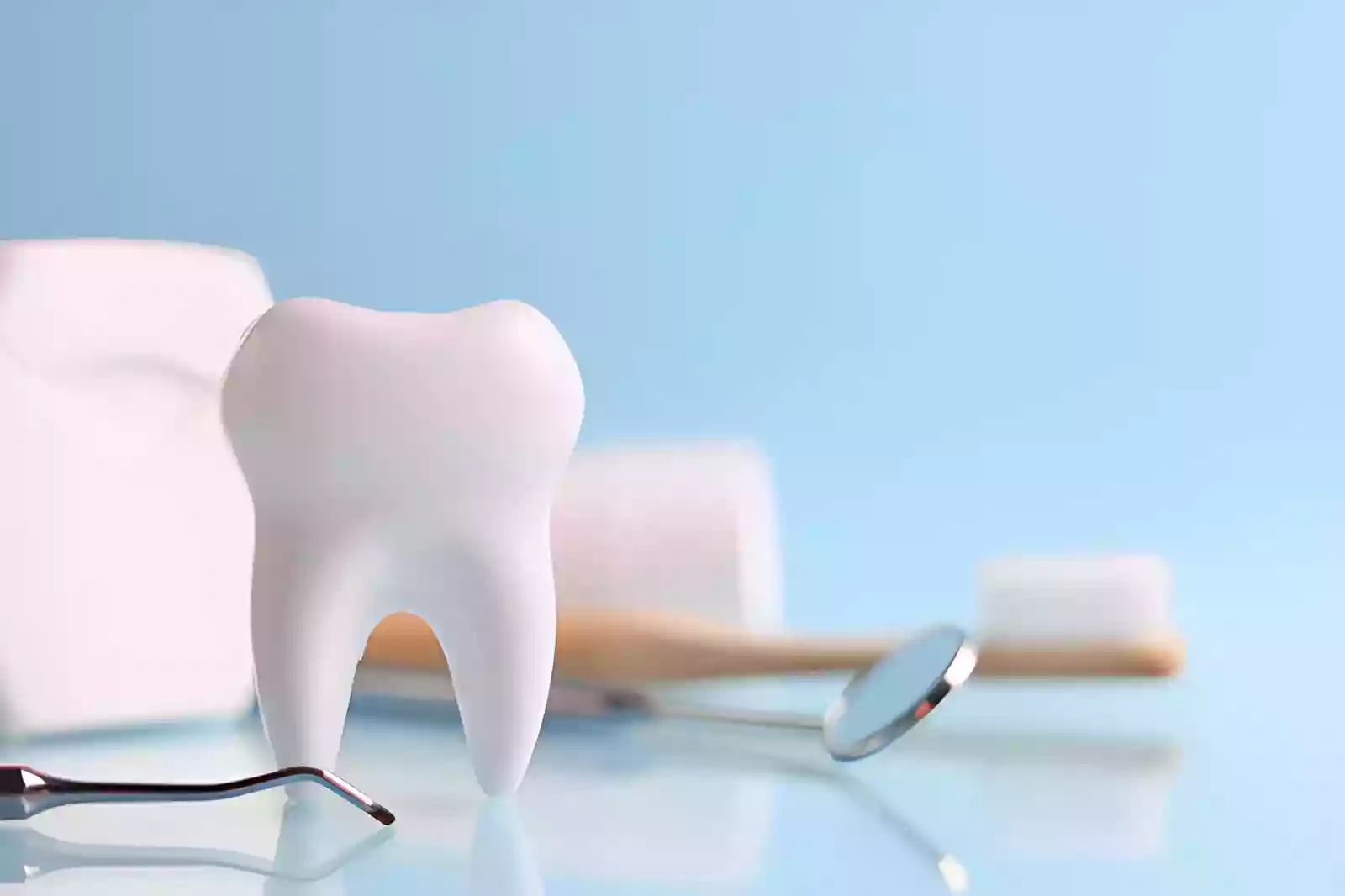 Professional Teeth Whitening Treatment
+
Professional Teeth Whitening in Taksim
Professional whitening begins with understanding why the teeth appear darker or more yellow. Surface staining, natural tooth colour, age-related changes and deeper discoloration can respond differently to whitening treatment.
The dentist may also check for untreated decay, damaged restorations, gum problems, exposed root surfaces or sensitivity before proceeding.
This is particularly relevant when whitening is being considered as part of a wider cosmetic dental plan. Existing restorations may need to be reassessed after the final tooth shade has stabilized.
Teeth Whitening in Taksim: Typical Treatment Process
The exact protocol varies between whitening systems and individual patients. A professionally supervised treatment may involve the following stages.
Dental Assessment
The dentist reviews the teeth, gums, existing restorations, sensitivity and the type of discoloration before deciding whether whitening is suitable.
Starting Shade
The initial tooth shade may be recorded so that the response to treatment can be assessed realistically rather than relying only on memory or photographs.
Whitening Protocol
The dentist selects an in-office, take-home or combined approach according to the clinical assessment and treatment objectives.
Whitening Application
For in-office treatment, the whitening material is applied according to the manufacturer’s and clinician’s protocol, with attention to the surrounding oral tissues.
Response and Sensitivity Check
The response of the teeth and any sensitivity are considered before deciding whether further whitening is appropriate.
Aftercare
The patient receives guidance on oral hygiene, temporary sensitivity and habits that may contribute to future staining.
Which Tooth Stains Can Whitening Improve?
Whitening is not a universal solution for every colour change. The cause and location of the discoloration influence how much improvement may be possible.
Food and Drink Staining
Tea, coffee, red wine and strongly pigmented foods can contribute to external staining. Professional cleaning may also be relevant when deposits are present.
Tobacco-Related Discoloration
Smoking and other tobacco exposure can produce staining, although the appearance and response to whitening vary between individuals.
Natural or Age-Related Colour
Natural tooth shade and changes that occur over time can influence how bright the teeth appear and how they respond to bleaching.
Deeper Discoloration
Some intrinsic colour changes can be more resistant to conventional whitening and may require a different treatment strategy after assessment.
What Results Can You Expect?
Professional whitening can produce a noticeable shade change in suitable teeth, but the final result cannot be predicted as one identical shade for every patient.
Starting tooth colour influences the visible degree of change. Some teeth respond more readily than others.
Different causes of discoloration respond differently to bleaching agents.
Crowns, veneers and fillings do not respond like natural enamel and dentine, which can affect overall shade harmony.
The appearance immediately after treatment may not represent the final stabilized shade, so definitive cosmetic decisions should not be rushed.
 Expected Teeth Whitening Results
+
Teeth Whitening Does Not Change Tooth Shape
Whitening is primarily a colour treatment. It does not close significant gaps, straighten crowded teeth, rebuild worn edges or change the dimensions of the teeth.
This distinction can help prevent unnecessary treatment. A patient whose main concern is tooth colour may not require veneers or crowns simply to obtain a brighter appearance.
Conversely, when the main concern involves shape, proportions, fractures, existing restorations or structural damage, whitening alone may not address the underlying issue.
Aesthetic treatment planning should therefore begin by defining exactly what the patient wants to change: colour, shape, position, tooth structure—or a combination of these.
Risks and Side Effects of Teeth Whitening
Professional supervision can help identify whether whitening is appropriate, but whitening treatment can still cause temporary side effects and does not produce the same experience for everyone.
Aftercare for Teeth Whitening
Use any prescribed whitening products only according to the schedule and concentration recommended by the dental professional.
If sensitivity occurs, follow the dentist’s advice. Persistent, severe or unusual discomfort should be assessed rather than ignored.
Regular brushing, interdental cleaning and routine dental care remain important. Whitening is cosmetic treatment and does not replace preventive dental care.
Frequent exposure to strongly pigmented drinks, foods and tobacco can contribute to new staining over time.
Whitening is not necessarily permanent. Future maintenance depends on the patient’s habits, natural tooth colour and the whitening protocol used.
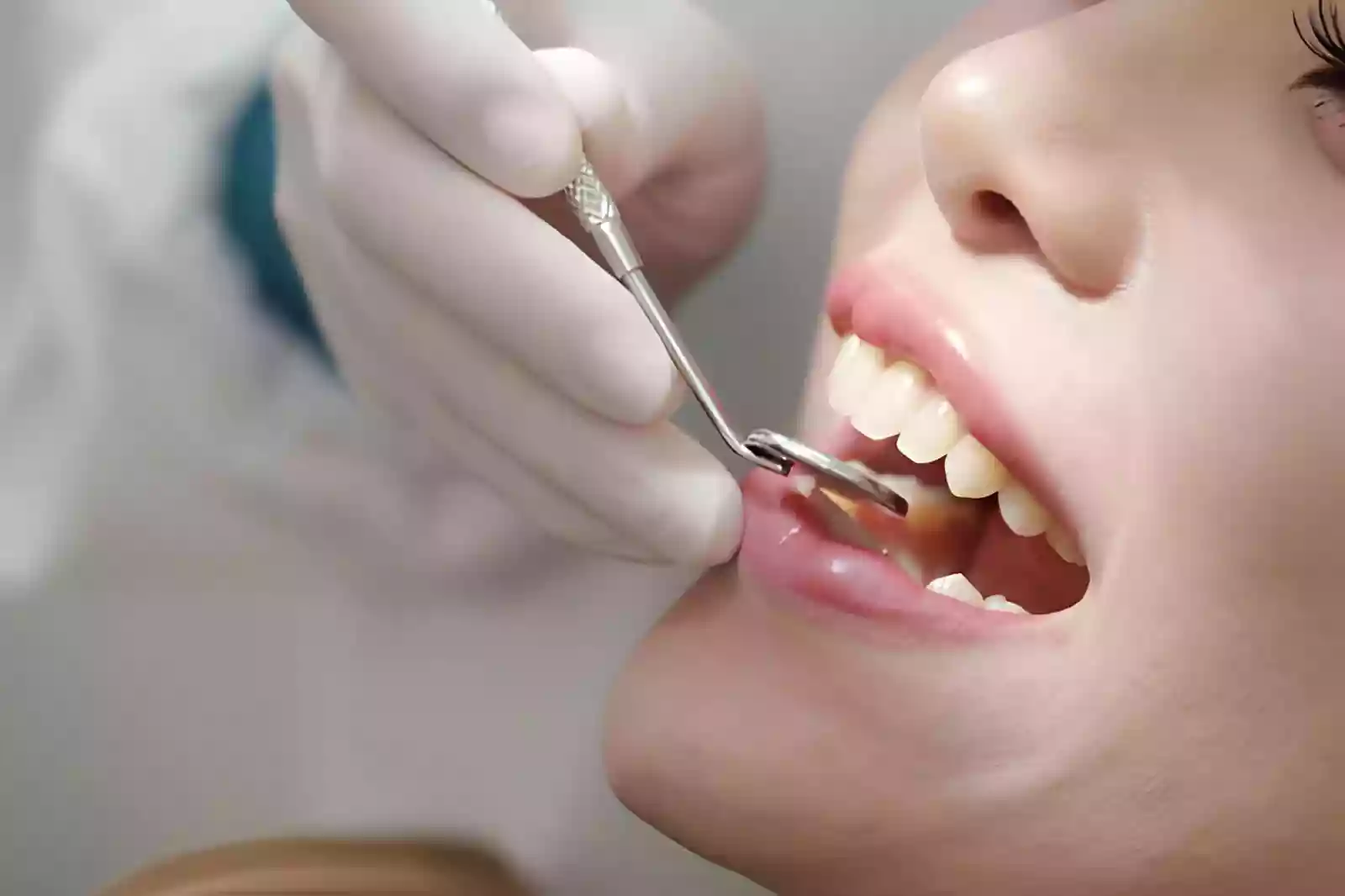 Dental Assessment Before Whitening
+
Who Should Have a Dental Check Before Whitening?
A professional assessment is particularly useful when a patient has dental pain, untreated decay, gum problems, significant sensitivity, exposed roots, cracked teeth or extensive existing restorations.
The dentist can also identify whether apparent discoloration is primarily staining or whether another dental issue is affecting the appearance of a tooth.
Patients with crowns, veneers, bridges or tooth-coloured fillings in visible areas should also discuss shade matching before treatment because these materials generally do not bleach like natural teeth.
Cost of Teeth Whitening in Taksim
The cost of Teeth Whitening in Taksim varies according to the whitening method, clinical assessment, materials used and whether the plan includes in-office treatment, a supervised take-home system or both.
Price should not be evaluated only by the advertised whitening session. It is useful to understand whether the quotation includes a dental examination, shade assessment, trays where applicable, whitening material and any planned follow-up.
Additional dental treatment, professional cleaning or replacement of restorations should be considered separately when clinically required.
Questions to Ask Before Teeth Whitening
A short discussion before treatment can clarify what whitening can realistically change and whether any dental issue should be addressed first.
What is causing my tooth discoloration, and is it likely to respond to whitening?
Do I have any decay, gum problems, cracks or sensitivity that should be treated first?
Which whitening method is being recommended and why is it appropriate for my teeth?
How should I manage sensitivity if it develops during or after treatment?
Will my existing crowns, veneers or fillings create a visible shade difference after whitening?
What level of shade change is realistic in my individual case?
What is included in the quoted cost and is any maintenance treatment expected later?
For patients considering a broader cosmetic change involving tooth colour, shape and proportions rather than whitening alone, see our guide to Hollywood Smile in Taksim.
Planning Teeth Whitening in Taksim, Istanbul
Taksim is centrally positioned within Istanbul and can be convenient for visitors staying in Beyoğlu and nearby districts. Whitening treatment is often less complex to schedule than multi-stage restorative dentistry, but the clinical assessment should still come before assumptions about timing.
International patients should tell the dentist about existing sensitivity, crowns, veneers, fillings and recent dental treatment. If other cosmetic dental procedures are planned, the order of treatment can also matter.
When shade matching for future restorations is involved, the dentist may recommend allowing the whitened tooth colour to stabilize before final restorative decisions are made.
View Taksim Square on Google Maps →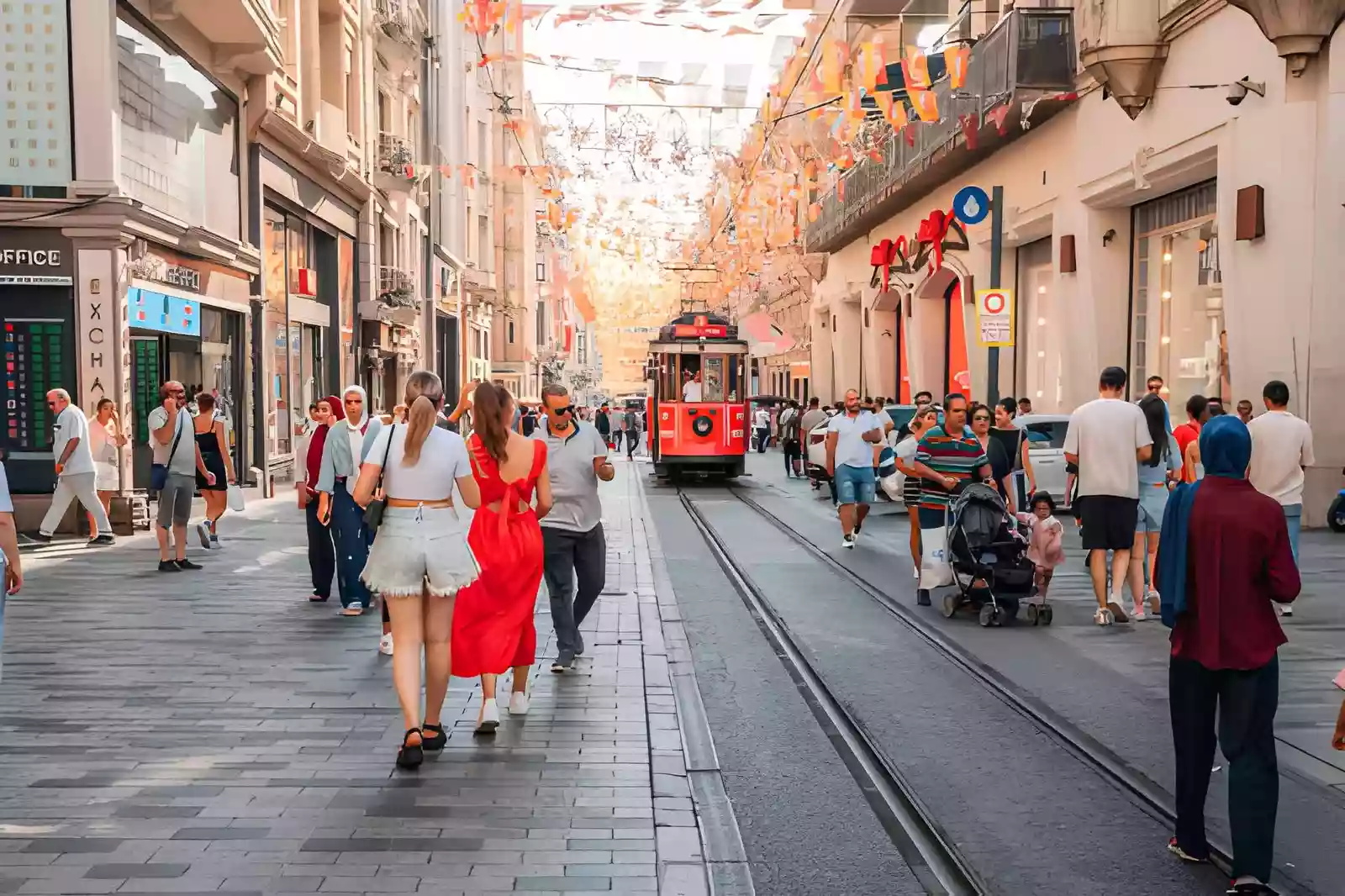 Taksim, Istanbul
+
Teeth Whitening in Taksim: Frequently Asked Questions
01What is professional teeth whitening?
02Does teeth whitening work in one session?
03Can teeth whitening cause sensitivity?
04Will whitening change the colour of crowns or veneers?
05How long do teeth whitening results last?
06Is professional whitening better than an over-the-counter product?
07How much does Teeth Whitening in Taksim cost?
08Can very dark teeth always be whitened?
Teeth Whitening in Taksim: A Brighter Shade With Realistic Expectations
Teeth Whitening in Taksim can be considered by patients who want to improve tooth colour without changing the fundamental shape of their natural teeth.
The first step is identifying the type of discoloration and checking the health of the teeth and gums. This helps determine whether whitening is appropriate and whether an in-office, supervised home or combined approach makes sense.
Results vary between individuals, and crowns, veneers and fillings do not respond like natural teeth. Temporary sensitivity is also possible, so whitening should be planned around the patient’s dental condition rather than around an advertised shade or guaranteed outcome.
With appropriate assessment, realistic expectations and sensible aftercare, whitening can form one part of a conservative cosmetic dental plan while preserving focus on the health of the natural teeth.