Is It Risky to Get a Hair Transplant in Turkey?
A hair transplant in Turkey is not automatically safe or unsafe simply because of the destination. The more useful question is whether the specific patient, medical setting, treatment plan and surgical team have been evaluated properly.
If you are asking “Is It Risky to Get a Hair Transplant in Turkey?”, the answer depends on the provider, patient suitability, donor planning, medical setting, surgical team and aftercare. This guide explains the main risks, warning signs and safety questions international patients should understand before choosing a hair transplant in Istanbul.
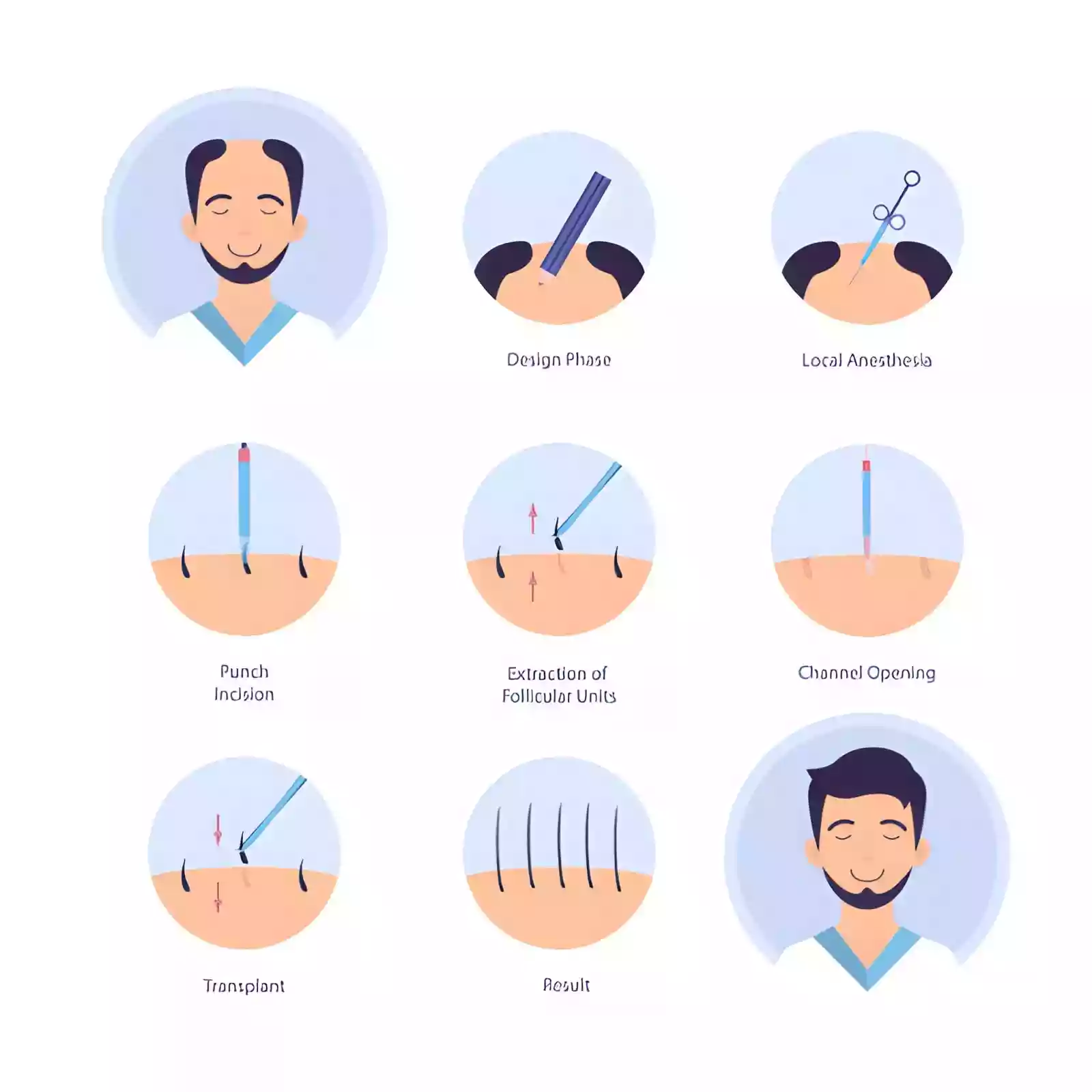
Is It Risky to Get a Hair Transplant in Turkey? The Short Answer
Hair transplantation carries medical and cosmetic risks wherever it is performed. Those risks depend much more on the individual patient, treatment planning, clinical environment, surgical execution and follow-up than on the country name alone.
Turkey has become a major destination for hair restoration, particularly for international patients considering FUE and DHI procedures. A large market, however, also means that patients can encounter different treatment models, levels of medical involvement and standards of care. This is why the question “Is It Risky to Get a Hair Transplant in Turkey?” should be answered by examining the specific treatment plan and provider rather than the destination alone.
Do not evaluate a hair transplant by destination or package price alone. Evaluate who is responsible for your treatment, where the procedure takes place, whether you are a suitable candidate and how your limited donor area will be managed.
 +
Why Is Turkey So Popular for Hair Transplants?
Turkey attracts international hair-transplant patients for several practical reasons, including competitive treatment costs, extensive experience with overseas patients and the widespread availability of modern hair-restoration techniques.
The Real Risks of Hair Transplant Surgery
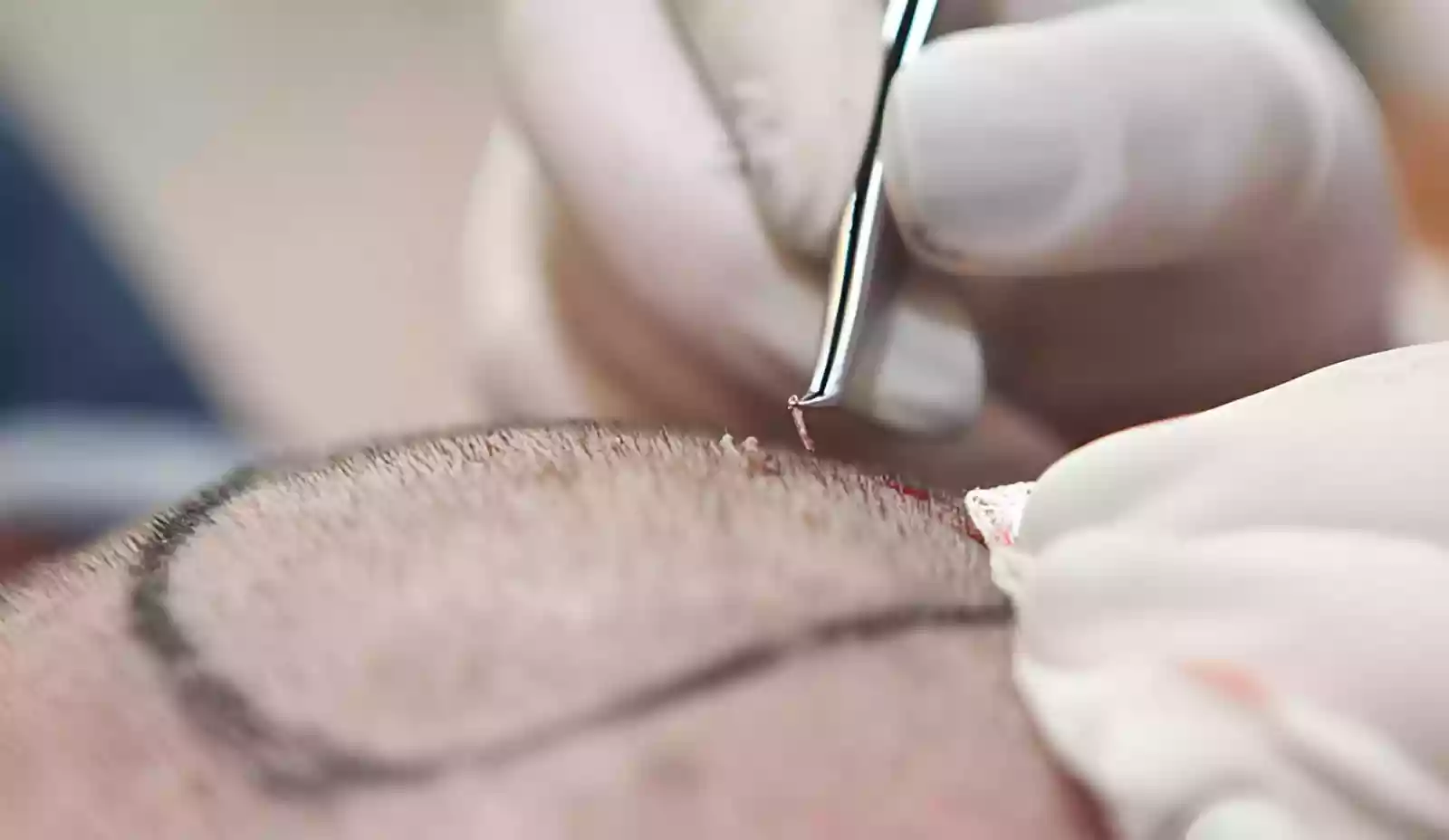
Hair transplantation involves the extraction and implantation of follicular units. Patients should understand both the expected recovery process and the potential medical or cosmetic problems that can occur when planning, technique or aftercare is inadequate.
A poorly planned hairline may appear too low, too straight, excessively dense or inconsistent with the patient’s facial proportions and future hair-loss pattern.
Excessive or uneven extraction can create visible donor thinning and reduce the number of grafts available for future procedures.
Hair growth can be influenced by graft handling, implantation, recipient-site planning, patient factors, healing and post-operative care.
Infection is a recognized surgical risk. Appropriate hygiene, sterile practice and clear post-operative instructions are therefore important.
FUE creates many small extraction sites. Extraction technique, healing characteristics and donor management can affect their visibility.
Less common complications can occur after surgery and may require prompt assessment by an appropriate medical professional.
 +
Donor Area Planning Is One of the Most Important Issues
The donor area is not an unlimited supply of hair. This is one of the most important principles to understand before agreeing to a high graft number.
A responsible treatment plan considers donor density, hair calibre, extraction distribution, existing hair loss and the possibility of continued hair loss in the future.
Doctor, Technician and Surgical Team: Know Who Does What
Before treatment, patients should understand who will perform the different stages of the procedure. This is particularly important for international patients who may arrange much of their treatment remotely before travelling.
A team-based approach does not by itself determine whether treatment is good or bad. The important factors are transparency, appropriate roles, experience, treatment planning and medical supervision.
You should understand the responsibilities of the doctor and technical team before travelling, rather than discovering the operating model after arriving for the procedure.
Hair Transplant Turkey Safety Checklist
Due diligence is more useful than simply searching for the cheapest hair transplant package. For anyone researching “Is It Risky to Get a Hair Transplant in Turkey?”, the checklist below focuses on the details that can materially affect treatment. Before paying a deposit or arranging flights, obtain clear answers to the questions that directly affect your treatment.
 +
Hair Transplant Warning Signs Worth Taking Seriously
No single warning sign automatically proves that a provider is unsuitable. However, several warning signs together should encourage a patient to ask more questions before committing to surgery.
A definitive treatment plan is offered without adequately reviewing the patient’s hair loss, donor area or relevant medical information.
Photographs can support a preliminary assessment, but an in-person examination may change the final graft number and distribution.
The provider cannot clearly explain who performs the different stages of the hair transplant procedure.
Marketing urgency should not replace the time required to understand the procedure, treatment plan, limitations and risks.
Hair transplantation involves biological healing and growth. Individual variation should be acknowledged when expected outcomes are discussed.
International patients should know how post-operative questions and potential complications will be handled after they return home.
 +
Planning a Hair Transplant Trip to Istanbul
Istanbul is a major international travel destination, which makes it a practical location for many overseas patients. However, a hair-transplant trip should be planned around the medical procedure rather than treated as an ordinary city break.
Allow sufficient time for consultation, surgery and the clinic’s recommended post-operative checks or first wash. Immediately after surgery, follow the treatment team’s instructions regarding scalp care, sleeping position, physical activity and sun exposure.
For a broader overview of treatment planning, techniques and the Istanbul process, read our Istanbul Hair Transplant Guide. If you are planning your stay around the Taksim area, you can also view Taksim Square on Google Maps.
Price Should Be One Factor, Not the Whole Decision
Competitive pricing is one reason international patients consider Turkey, but two packages with similar names can represent very different treatment plans.
When comparing options, look beyond the headline price and compare the medical assessment, graft strategy, donor management, responsibilities of the treatment team, procedure setting and aftercare.
 +
 +
Medical Treatment Comes Before the Holiday
One of the attractions of travelling to Istanbul is the opportunity to experience the city during the same trip. Nevertheless, the first days after a hair transplant are part of the recovery period.
The recipient area should be protected from unnecessary contact and patients should follow the specific washing, sleeping and activity instructions provided after surgery.
If sightseeing is planned, it should be kept flexible and adjusted according to recovery and the instructions provided by the treatment team.
Frequently Asked Questions About Hair Transplant Risks in Turkey
1 Is it risky to get a hair transplant in Turkey?
2 What are the main risks of a hair transplant?
3 Can FUE damage the donor area?
4 Is DHI safer than Sapphire FUE?
5 Should a doctor perform every part of a hair transplant?
6 How can I reduce the risk of choosing the wrong clinic?
7 Is the cheapest hair transplant in Turkey a bad choice?
8 Can a hair transplant result be guaranteed?
Is It Risky to Get a Hair Transplant in Turkey? Final Safety Perspective
When considering “Is It Risky to Get a Hair Transplant in Turkey?”, a hair transplant in Turkey should not be viewed as automatically risky or automatically safe. Patient selection, donor planning, hairline design, surgical execution, medical oversight and follow-up all contribute to the overall treatment.
Your donor hair is a limited biological resource. A careful treatment decision therefore considers not only the immediate cosmetic change, but also donor preservation and how the result may fit with future hair loss.