Combined Medical Tourism in Taksim, Istanbul: Dental and Aesthetic Sequencing
Combining dental treatment with a hair transplant or an aesthetic procedure can reduce the need for separate trips to Istanbul, but the order of treatment matters.
This guide explains practical sequencing considerations for dental treatment combined with hair, beard or eyebrow transplantation, rhinoplasty, injectables or facial surgery.
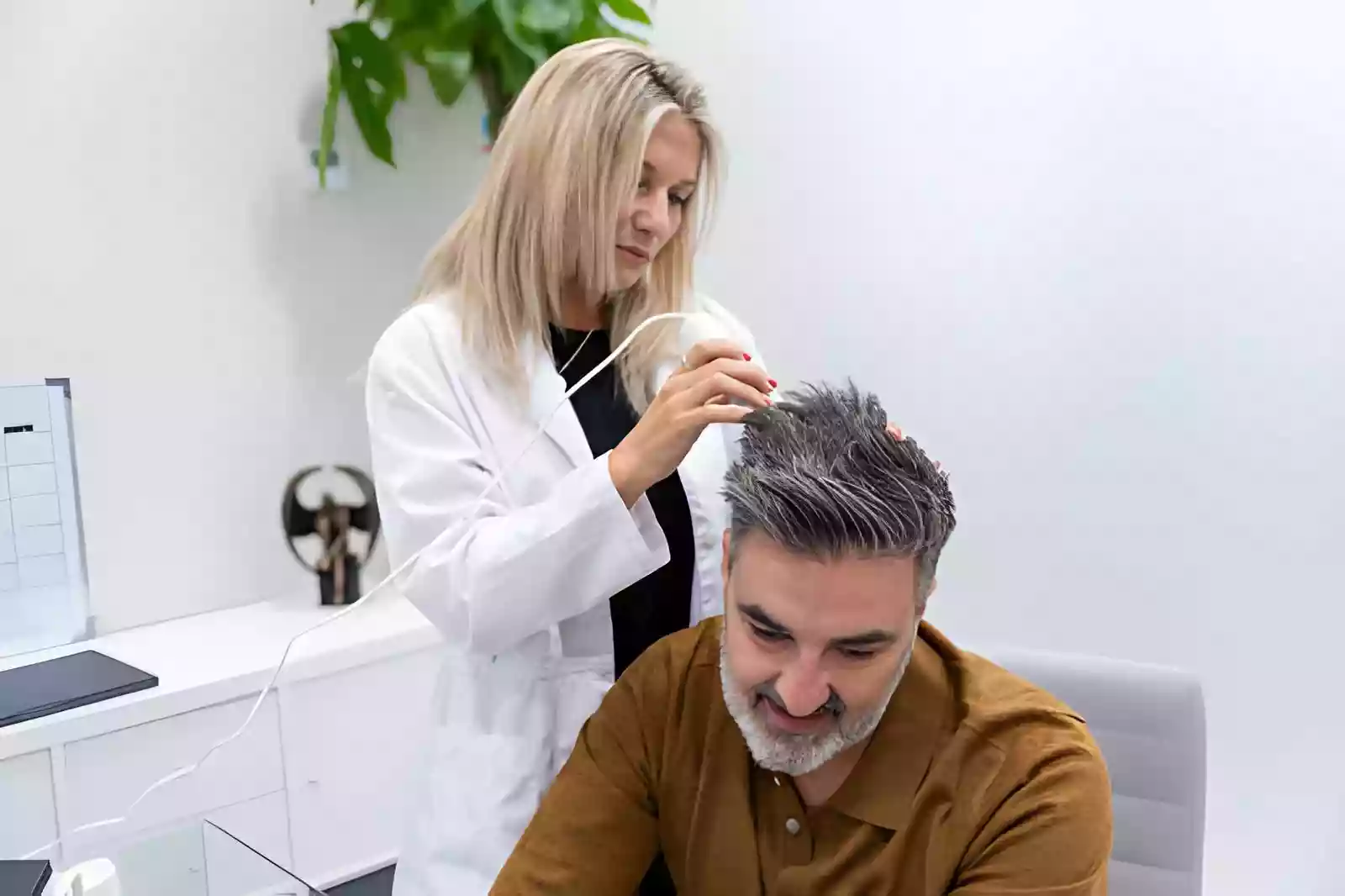
Planning More Than One Treatment During the Same Istanbul Trip
International patients sometimes use one trip to Istanbul for more than one procedure. Common combinations include dental crowns or veneers with hair transplantation, dental treatment with rhinoplasty, or a smile makeover followed by selected facial aesthetic treatments.
The main planning issue is not simply fitting every appointment into the calendar. Each procedure can have its own anaesthesia requirements, swelling, positioning restrictions, medication considerations and recovery period.
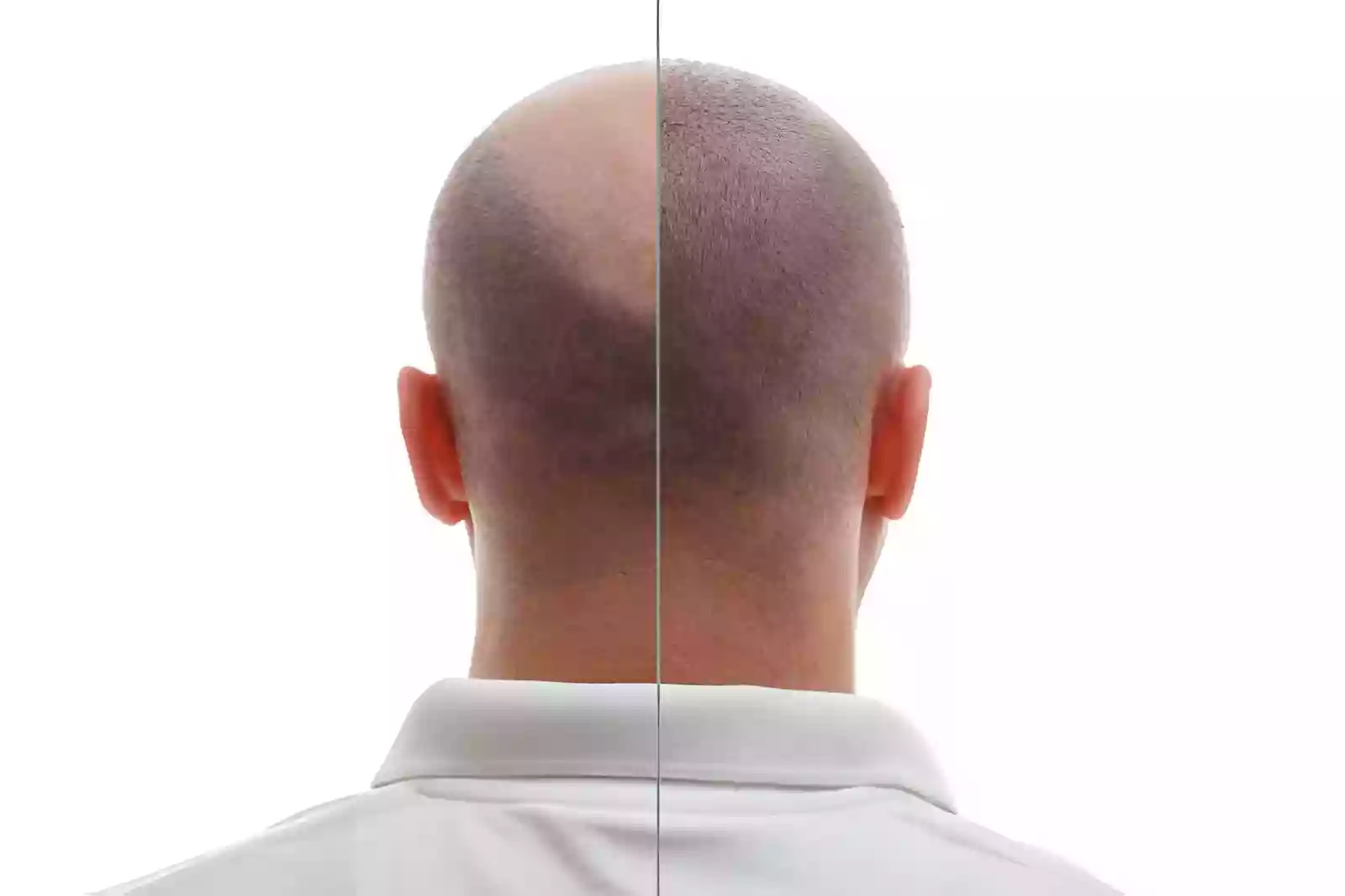 +
Scenario 1: Dental Treatment + Hair, Beard or Eyebrow Transplant
This combination can involve crowns or veneers together with a hair, beard or eyebrow transplant. Because both treatments involve the head and face, appointment timing and positioning need to be considered carefully.
A Practical Example of Treatment Sequencing
Dental consultation, imaging and any required preparation can be completed first. For crown or veneer treatment, this may include tooth preparation, impressions or digital scans and temporary restorations.
The transplant can then be performed according to the agreed medical schedule. The duration depends on the treatment area and number of grafts.
The recipient and donor areas need protection immediately after transplantation. Dental appointments that require prolonged pressure against the donor area or extensive positioning should be coordinated with the transplant team.
When the transplant team considers the early recovery sufficiently stable, the dental team can continue with the next stage of treatment.
Scenario 2: Dental Treatment + Rhinoplasty
Combining dental treatment with rhinoplasty requires more careful coordination because both procedures involve closely connected areas of the face.
The source itinerary places substantial dental preparation before nasal surgery and postpones final dental work until later in recovery. :contentReference[oaicite:4]{index=4}
Necessary dental assessment, imaging and substantial preparatory work can be considered before nasal surgery if both treating teams agree.
The nasal procedure is performed according to the surgeon’s treatment plan and anaesthesia protocol.
Swelling, tenderness and the presence of a nasal splint can affect comfort and the ability to tolerate dental positioning during early recovery.
Further dental work should be scheduled only when the rhinoplasty surgeon and dentist agree that it is appropriate.
Scenario 3: Hollywood Smile + Facial Aesthetic Treatment
Another combination described in the source is a smile makeover followed by treatments such as Botox, dermal fillers or a facial surgical procedure.
Dental treatment can involve repeated mouth opening, pressure around the lips and manipulation of surrounding facial tissues. For this reason, the timing of facial procedures should be discussed with both clinicians.
 +
The Taksim 2026 Combined Treatment Planning Checklist
Before travelling for more than one treatment, make sure every provider knows about the other planned procedure. This helps the teams identify possible conflicts in medication, anaesthesia, positioning and recovery.
Medication Coordination
Provide each treating team with an accurate list of prescription medicines, over-the-counter medicines and supplements you use, as well as medications prescribed for the other procedure.
Do not independently stop or start medicines such as aspirin, anticoagulants, antibiotics or other prescription medication simply to fit a combined-treatment schedule. Medication changes should be directed by the relevant clinician.
How Many Days May Be Needed in Istanbul?
The original article provides several example travel schedules. They are useful as planning illustrations, but the final length of stay depends on the actual procedures, recovery and medical clearance.
For combinations involving a facelift or another surgical facial procedure, the source allows a substantially longer stay of approximately 14–15 days. :contentReference[oaicite:6]{index=6}
Special Considerations When One Procedure Is a Hair Transplant
When hair transplantation is part of the combined trip, the early postoperative period deserves particular attention. The newly transplanted recipient area should be protected from rubbing, pressure and accidental contact, while the donor area can also be sensitive.
Patients who want a broader explanation of donor assessment, graft planning and the transplant process can also read the Hair Transplant Guide.
Why Taksim Can Be Practical for a Combined Trip
Taksim sits close to Beyoğlu, Harbiye, Nişantaşı and Şişli, areas with hotels, dental practices and medical facilities.
For a patient attending several appointments during the same trip, reducing unnecessary travel across Istanbul can make the schedule easier to manage.
Choose accommodation according to the actual locations of your treatment providers rather than assuming every clinic described as “Taksim” is within walking distance.
Frequently Asked Questions About Combined Medical Tourism in Taksim
1Can I combine dental treatment and a hair transplant in one Istanbul trip?
2Should dental treatment be completed before a hair transplant?
3Can I sit in a dental chair after a hair transplant?
4Can dental treatment and rhinoplasty be combined?
5Should fillers be performed before or after dental work?
6Can medications from one procedure affect another treatment?
7How many days should I stay in Istanbul for combined treatment?
8When should I book my flight home?
Coordinating a Combined Treatment Trip to Istanbul
A combined medical trip can be practical when the procedures are compatible and the schedule leaves enough time for treatment and recovery. The key is to plan the itinerary around medical requirements rather than trying to fit multiple procedures into the shortest possible stay.
Before finalizing travel dates, each treating team should know about the other planned procedures, medications and recovery requirements. The final sequence and interval between treatments should be confirmed after individual assessment.